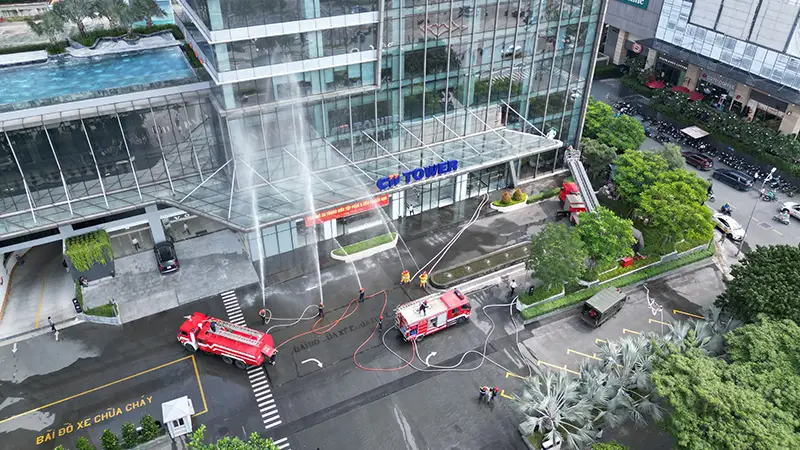
A condo emergency response plan can sometimes be an afterthought for board members, but it shouldn’t be. Developing a strong emergency plan and reviewing it regularly is essential for every condominium association. And it all begins with knowing what to include in the plan.
How to Create a Condo Emergency Response Plan
Unlike single-family neighborhoods, condominiums present unique challenges during emergencies. These buildings share walls, mechanical systems, elevators, and hallways. Plus, they have limited access points that can make fires, flooding, and power outages more difficult to manage.
With a well-developed condo emergency response plan, the association can help protect residents, minimize property damage, and support a faster recovery. As disasters can strike at any time, it is imperative to have an action plan that’s ready to go.
Here are the steps for crafting a condo association emergency plan.
1. Conduct a Risk Assessment
One of the first steps in creating an emergency response plan is to identify the risks most likely to affect the condominium. Here in Chicago, communities may not have to worry about hurricanes, but they should prepare for fires, severe storms, power outages, burst pipes, gas leaks, flooding, medical emergencies, security threats, and elevator failures.
The board should also evaluate the building itself. High-rise condominiums, older buildings, and communities with extensive shared amenities often face different risks than smaller condo properties. Understanding these vulnerabilities can allow the association to create a more effective emergency plan.
2. Create an ERP Committee
A big part of condo association emergency preparedness is establishing a responsible team. This team could include board members, the community manager, maintenance personnel, and other volunteers.
The committee should assign clear responsibilities before an emergency occurs. For example, one person may coordinate resident communications, another may work with emergency responders, while others oversee vendor coordination or building inspections following the incident.
3. Develop a Communication Plan
In a disaster, communication is paramount. It is important to establish a communication protocol that includes methods for alerting residents about emergencies. This may include sending texts or emails, utilizing social media, and making phone calls. Boards must ensure the association maintains accurate and up-to-date contact information for every resident.
Additionally, the plan should identify backup communication methods. Oftentimes, internet and cellular service becomes unavailable during emergencies. The board can also post updates in common areas or use battery-powered public address systems.
4. Update Emergency Contact Information
Condo associations must maintain a complete list of essential emergency contacts. This includes local authorities, utility companies, medical facilities, restoration contractors, insurance representatives, legal counsel, elevator service providers, and community volunteers.
Moreover, the association should encourage residents to provide their own emergency contacts. These are the persons who may be reached if they can’t be contacted during a crisis.
5. Identify Critical Building Systems
A condominium emergency response plan should include detailed information about important building systems and infrastructure. The board and management should know the locations of fire alarm panels, sprinkler controls, water shutoff valves, gas shutoffs, electrical rooms, emergency generators, mechanical rooms, and elevator controls.
This information doesn’t just help the board or management team. Emergency responders can also work more efficiently when they have access to these details. Of course, not everyone should have authorized access to these areas, so the plan should also identify who can enter and use them.
6. Define Board and Resident Responsibilities
Every condo emergency response plan should clearly establish the responsibilities of the association and individual residents. The board generally oversees common areas, emergency communications, and coordination with first responders. Board members also coordinate recovery efforts after the disaster.
Meanwhile, residents typically remain responsible for their own units. They must maintain their own emergency supplies and carry the appropriate insurance coverage. They must also follow evacuation procedures and report any hazards as soon as they can.
7. Create Evacuation and Shelter Plans
Condo boards must develop evacuation routes and assembly points. They must also ensure all residents are familiar with these routes. If evacuation becomes necessary, the plan should highlight nearby shelters where residents can go.
For multi-story condominium buildings, evacuation procedures should address situations where elevators can’t be used. It is important to clearly mark stairwells and make sure nothing is obstructing them. Moreover, the condo must consider residents with mobility issues, disabilities, or other special needs.
8. Stock Emergency Supplies
When it comes to condo emergency preparedness, it is crucial to maintain an inventory of emergency supplies. These include first-aid kits, water, non-perishable food, flashlights, batteries, and blankets. Boards should update and replenish these supplies regularly. This also means budgeting for replacement costs.
9. Establish Vendor Relationships Before an Emergency
Condo associations should adopt a proactive mindset when preparing for emergencies. Waiting until a disaster actually happens before finding contractors will only result in delays.
To ensure the association is prepared, boards should maintain a list of trusted vendors who can quickly respond during emergencies. This list can include restoration companies, plumbers, electricians, roofing contractors, security providers, engineers, and elevator repair companies. It is important to update this information regularly to help speed up recovery efforts.
10. Protect Association Records
Association records may be the last thing on anyone’s mind when a disaster strikes. Yet, these records play a critical role in restoring operations. Board members should make sure to keep these records in a safe place, both physically and digitally.
Important records include:
- Governing documents
- Insurance policies
- Financial records
- Building plans
- Reserve studies
- Vendor contracts
- Resident contact lists
It is a good idea to keep copies of these records within the plan itself. Additionally, boards should create secure back-ups in case something happens to the original documents. Cloud storage is particularly helpful and accessible from anywhere.
11. Plan for Utility Failures
Essential utilities are often one of the first things to go during condo emergencies. Because of this, the condo emergency response plan should include procedures for power outages, water interruptions, gas shutoffs, HVAC failures, and electronic building access systems. Many communities have emergency generators, but failure to inspect and test these regularly can render them useless.
12. Prepare for Recovery
Emergency planning doesn’t just stop after the disaster has passed. The association must establish procedures for inspecting common areas, documenting damage, coordinating repairs, and filing insurance claims. It is important to prioritize restoration work to get the community back on its feet.
13. Communicate the ERP and Conduct Regular Training
A condo emergency response plan is only effective when everyone knows it exists. Boards should organize training sessions and drills to familiarize residents with emergency procedures. If revisions are necessary after a drill or an actual emergency, the board should update the plan promptly.
Moreover, the board should review the plan at least annually and whenever the condominium undergoes significant changes, such as major renovations, building system upgrades, changes in management, or after experiencing an emergency. Regular reviews can help keep the plan accurate and effective.
A Clear Path
Disasters can quickly create confusion throughout a condominium community. By developing a condo emergency response plan, boards can improve resident safety and reduce property damage. When in doubt, seeking professional assistance is always a wise choice.
First Community Management provides expert HOA, condo, and co-op management services to communities in Chicago. Call us today at (312) 829 8900 or contact us online to learn more!
RELATED ARTICLES:
- How To Compare HOA Vendor Bids For Association Projects
- Condo Capital Improvements vs Maintenance: What’s the Difference?
- What Should Your HOA Emergency Plan Include?