
Residents expect a certain level of HOA security when they move into a planned community. Board members must take it upon themselves to improve security measures and educate homeowners. Still, many association boards don’t know where to begin.
Is the Board Responsible for HOA Security?
Associations are generally responsible for maintaining and securing common areas. That said, HOAs can’t ensure absolute safety for residents, especially in their own homes. Still, associations may be held liable for negligence if their inaction leads to security breaches.
For example, if broken gates allowed an intruder to trespass in the neighborhood, and the board knew about it but did nothing, a court may hold the HOA responsible. Another example is when poor lighting made it easier to commit a crime.
While associations must secure common areas, individual homeowners are responsible for securing their own private homes or units.
All About Condo Security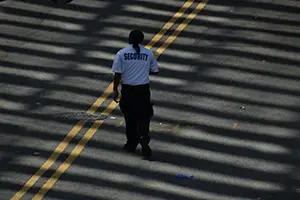
Condo security differs from HOA security because condominiums usually involve shared buildings, tighter living spaces, and more common areas. Security concerns in a condo community are often more complex and more centralized than in a traditional HOA.
In many single-family HOAs, owners secure their own homes. On the other hand, in condominiums, the association often plays a much larger role in protecting the building and shared spaces.
There’s a greater need for access control and a heavier reliance on surveillance in condominiums. Since there’s increased foot traffic, there are
additional challenges that condo boards must face. Boards must adopt a more coordinated and layered approach as a result.
Should Homeowners Help Decide About HOA Security?
Security measures are often line items in an association’s annual budget. The board allocates funds to various security strategies, such as surveillance, guards, and access control systems. These funds are collected from homeowners as regular dues. This leads some to believe that owners have a say in overall security.
While it is good practice for boards to seek input, owners don’t actively decide on or vote on every security move. Such a setup would only serve to delay operations and projects.
Plus, owners tend to think about their own self-interests. Installing new security measures costs money, which could potentially raise dues. If a majority of owners don’t want to shoulder the increase, the vote won’t pass. Boards must prioritize the best interests of the community as a whole, not individual owners.
How to Improve HOA Security
The intention may be there, but boards often don’t know the first thing about improving security and safety. Here are the ways to enhance HOA community security.
1. Install HOA Security Cameras
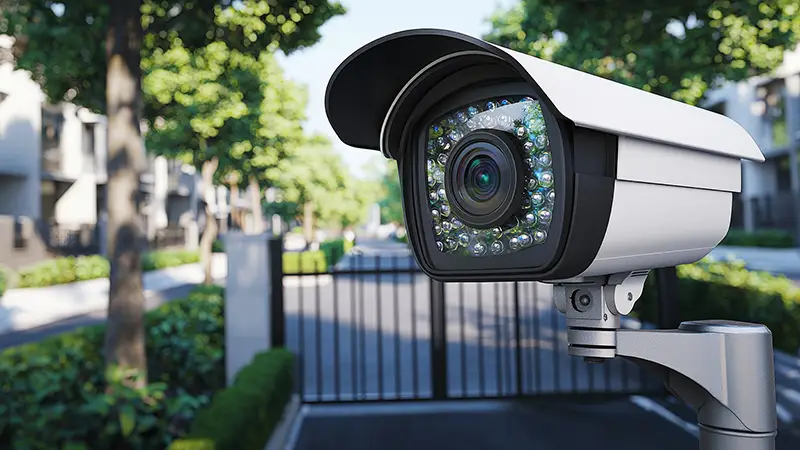
Boards should consider investing in HOA community security cameras. These cameras can help deter crime and help document incidents should they happen.
Associations often place cameras near entry gates, clubhouses, elevators, mailrooms, parking lots, pool areas, and hallways. Of course, cameras should never be installed or pointed at any area where residents have a reasonable expectation of privacy. That means no bathrooms, changing rooms, or even doors and windows into private spaces.
Boards should also adopt a clear HOA security camera policy. This policy should address camera maintenance, video storage, access to footage, and privacy considerations.
2. Maintain Proper Lighting
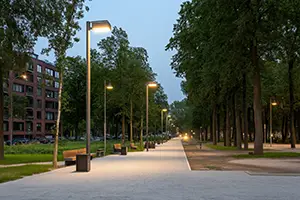
Good lighting is one of the simplest and most effective security measures. The board should ensure proper lighting in entrances, parking areas, walkways, and stairwells. This way, there are fewer dark corners or blind spots. If bulbs burn out, board members must have them replaced immediately.
3. Hire HOA Security Services
Communities, particularly larger or complex ones, may benefit from professional security services. An HOA security guard can patrol the neighborhood, man gates, and respond to concerns.
While the presence of visible guards can discourage criminal activity and help residents feel safer, it also has its downsides. There are liability issues involved, so board members should first consult a lawyer before acting.
4. Utilize HOA Access Control Systems
Boards should consider controlling access to help limit entry. In gated communities, only residents, guests, and authorized vendors are allowed to enter. Associations typically provide key fobs, access cards, keypads, vehicle gate systems, and even mobile app entry systems. They can even benefit from intercoms or call boxes.
In condominiums, building access control systems can bring these different entry methods together while helping management control access to shared and restricted areas.
Of course, it is important to monitor and update credentials regularly. If a resident has moved out of the community, their access should be revoked or deleted. They should also return all physical access cards or keys.
5. Control Visitors
Many security issues stem from uncontrolled guest access. An association should seek to improve visitor tracking through guest registration systems, visitor parking permits, digital entry logs, and license plate tracking. Some communities also offer temporary access credentials.
6. Emphasize Mail Security
Package theft has become a major issue in many communities. To address this, boards can set up locked package rooms or smart parcel lockers. They can install mailroom cameras or use package tracking systems. In condominiums, a concierge acceptance service can be highly beneficial, but it would require staffing.
7. Establish Clear Security Policies
The board should adopt consistent policies regarding HOA security and safety. These include pool access rules, guest policies, parking regulations, after-hours facility use, vendor access procedures, and emergency response protocols. With clear policies, associations can help reduce confusion.
8. Work With Local Law Enforcement
Associations can build relationships with local police departments or officers. Law enforcement may assist with everything from security assessments and crime prevention to patrol recommendations and emergency planning. They can even attend meetings to advise residents.
9. Prepare for Emergencies
Proper security also includes emergency preparedness. The board should have plans for fires, severe weather, medical emergencies, power outages, break-ins, and natural disasters. Communities may benefit from emergency contact systems or mass notification platforms.
10. Maintain Visibility Through Landscaping
Overgrown landscaping can reduce visibility. Unkempt bushes and tall grass make for great hiding spots for potential criminals or wild animals. To avoid these, the HOA should maintain trimmed bushes, clear sightlines, and visible entrances. It is also important to properly maintain and prune trees.
11. Get Homeowners Involved
Residents play an important role in HOA security, even if they don’t know it. The HOA can encourage involvement through neighborhood watch programs, security committees, and safety meetings. Associations can also organize crime prevention workshops and anonymous reporting systems.
Weigh the Choices
Associations are responsible for some level of HOA security, particularly in common areas. To avoid liability and keep residents safe, board members should invest in viable security measures. Not every strategy will suit all associations, of course, so boards must consider their options and confirm compatibility with the help of a legal professional.
First Community Management provides expert HOA, condo, and co-op management services to communities in Chicago. Call us today at (312) 829 8900 or contact us online to learn more!
RELATED ARTICLES:
- Who Is Responsible For Water Leaks In Condos In Illinois?
- Pest Prevention In Condos: Dealing With Infestations This Spring
- How Are Condo Fees Calculated? How Much Should Unit Owners Pay?