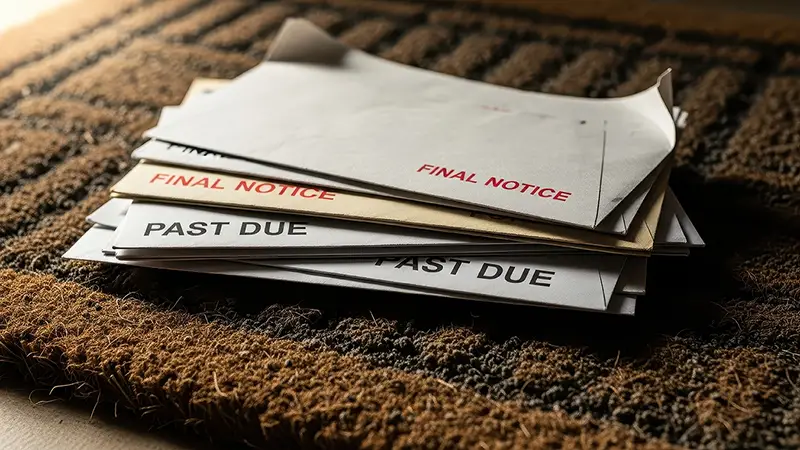
In a planned community, HOA violations are par for the course. Homeowners are bound to break the rules every once in a while, but board members must learn to handle them appropriately. Failure to do so can escalate the situation and turn simple violations into legal battles.
What are HOA Violations?
Residents of an HOA or condo community have an obligation to follow the association’s rules. These rules aim to maintain property values, uphold community standards, and promote safety. Enforcement falls on the shoulders of the association board.
An HOA violation occurs when a resident breaks a rule. Penalties typically follow after written notice and an opportunity to be heard. Proper enforcement is important because it keeps the community in good order.
That said, conflicts often arise when the board handles violations poorly. Enforcement itself isn’t usually the problem; rather, it’s the way the association addresses the violation.
Why HOA Violations Escalate Into Larger Disputes
Violations happen either due to ignorance of the rules or intentional breaches. Regardless, association boards must know how to handle these violations with care. Otherwise, they can quickly turn into legal disputes.
Here are the most common reasons behind the escalation of HOA violations.
1. Poor Communication
The HOA or condo board is responsible for communicating with residents. Poor communication strategies on the board’s part can trigger residents or cause emotional reactions. Taking an open approach allows owners to feel informed rather than attacked.
Board members must avoid sending a generic or aggressive HOA violation letter. Notices must clearly explain why a violation exists and what the owner can do to remedy it. If owners have questions, boards must strive to answer them as best as they can.
2. Inconsistent Enforcement
Associations must enforce the rules fairly and consistently. Unequal treatment can lead to claims of selective enforcement and personal liability for board members. A common example of inconsistent enforcement is when the board applies a rule to some owners but not others.
When the board enforces the rules arbitrarily, it can face accusations of bias or favoritism. It can also render the rules invalid or unenforceable. Ultimately, owners will lose trust in the board and begin to question its credibility.
3. Unclear Rules and Procedures
Associations must avoid using vague language in their governing documents, including rules and regulations. Ambiguity leaves rules open to interpretation, resulting in conflict. When owners don’t understand what is and isn’t allowed, they are more likely to break the rules unintentionally.
4. Delayed Enforcement
Enforcement must be swift after a violation occurs. Boards must not wait too long to act, as this will effectively normalize violations. Owners may question why enforcement has suddenly begun out of nowhere, leading to legal disputes.
5. Emotional Reactions and Personal Conflicts
Enforcement must remain objective at all times. Board members should never get defensive about their decisions. Instead, they must clearly and calmly explain the rules and penalties that apply. This will prevent owners from taking the violations personally.
6. Lack of Due Process
Board members must always follow the proper procedures and requirements when enforcing the rules. In Illinois, owners must be given written notice and an opportunity to be heard before facing HOA violation fines or other penalties. This is in line with 765 ILCS 605/18.4 (for condos) and 765 ILCS 160/1-30 (for HOAs).
When the board fails to adhere to due process, owners can challenge the decision. It can even render the enforcement action invalid. When in doubt, associations should seek legal counsel.
7. Escalating Immediately
Boards should keep the enforcement process internal at first. Involving attorneys too early or threatening fines too quickly can cause owners to turn on the board. When owners feel cornered or personally attacked, they are more likely to fight back.
The Effects of Escalated HOA Violation Disputes
Allowing violations to escalate into larger disputes can have a profoundly negative impact on the community. First, associations may face increased legal costs. When owners jump to filing lawsuits, the HOA or condo is forced to prepare a legal defense. Hiring an attorney costs money.
Secondly, fighting HOA violations can damage community relationships. It results in reduced homeowner trust. Board members are more likely to encounter pushback on decisions, even those unrelated to rules or violations.
Finally, associations will have a harder time recruiting future volunteers. Improper enforcement can turn owners off to the association as a whole. They may not want to serve the community in any way out of sheer hostility or defiance.
How to Handle HOA Violations Better
Legal disputes are not uncommon among HOAs and condo associations. That said, disputes arising from violations are easier to prevent and control. As long as boards adopt the strategies below, they can stop violations from escalating.
1. Create Clear Rules
First, board members must establish written policies on both rules and enforcement. This includes the process for reporting HOA violations, investigating alleged breaches, and applying penalties. These policies must be clear and easy to understand so that there’s no room for misinterpretation.
2. Adopt a Consistent Enforcement Policy
Boards must implement a fair and uniform enforcement procedure. Illinois law requires sending an HOA violation notice first before anything else. Associations must also give owners a chance to appear before the board at a disciplinary hearing before levying fines or other penalties.
3. Communicate Professionally and Calmly
It is easy for board members to get riled up and swept away by their emotions, especially when owners adopt a hostile or aggressive tone. Yet, this is what separates the board from the residents.
Leaders must never stoop so low. They must always act in a calm and professional manner. Often, this approach is enough to quell the owner’s antagonistic attitude, allowing all parties to discuss the issue amicably.
4. Focus on Education Before Punishment
More often than not, owners are simply unaware of the rules and enforcement procedures. Their first instinct is to fight back because they don’t understand what they have done.
To counteract this, associations should take great efforts to educate owners. This usually means sending reminders via email or in newsletters, discussing policies at meetings, and offering refresher courses.
5. Document Everything Carefully
Proper documentation establishes precedence, serves as a reference, and provides evidence. Boards should keep records of all communication logs, violation notices, and meeting minutes.
6. Train Board Members
Most associations welcome new board members every year. As part of the onboarding process, incoming directors must undergo training and education on how to properly enforce the rules. This way, there are no gaps within the board itself.
7. Use Mediation When Appropriate
Mediation can help resolve disputes. If internal measures fail, boards should explore alternatives, such as mediation and arbitration, instead of leaping to lawsuits.
Common HOA Violations That Cause Conflict
Some violations are more susceptible to escalation than others. Here is a list of HOA violations that frequently lead to disputes.
- Architectural violations
- Landscaping and lawn maintenance
- Parking violations
- Noise and nuisance complaints
- Pet violations
- Exterior maintenance violations
- Trash and storage violations
- Rental violations
- Assessment and fee disputes
- Unauthorized use of common areas
- Holiday decoration violations
- Political signs and flag displays
HOA Violation Meaning Explained
Rule enforcement is a primary responsibility of the HOA or condo board. But sometimes enforcement can trigger disputes that eventually escalate to legal action. To prevent this from happening, boards must implement key strategies and procedures for handling HOA violations.
First Community Management provides expert HOA, condo, and co-op management services to communities in Chicago. Call us today at (312) 829 8900 or contact us online to learn more!
RELATED ARTICLES:
- Can HOA Evict You For Unpaid Dues Or Rule Violations?
- HOA Communication: Keeping Homeowners Informed And Engaged
- Condo Rental Restrictions Explained For Illinois Associations