

Can an HOA evict you for nonpayment of dues and rule violations? This is a common question both homeowners and board members ask. While eviction is not the right term, an owner can lose their home due to unpaid dues and assessments. It is part of the collection process that boards must consistently enforce.
Can HOA Evict You for Unpaid Dues?

Homeowners have an obligation to pay dues to their association. These dues cover day-to-day expenses, including maintenance, landscaping, utilities, insurance, and management fees. When owners fail to pay these dues, they may face a range of consequences.
But can an HOA evict a homeowner?
Simply put, no, an HOA does not have the power to evict a homeowner in the traditional sense of the word. Instead, the board can place a lien on the home or unit before moving forward with foreclosure. In that situation, the owner can lose their home through a foreclosure sale, not an eviction.
That said, association boards don’t typically use foreclosure as the first enforcement option. Before foreclosure, boards use a multitude of enforcement tools, such as late fees, interest, suspension of privileges, and legal action.
Can HOA Evict You for Rule Violations?
Homeowners also have an obligation to comply with the association’s rules and regulations. Common examples include pet restrictions, parking rules, noise limits, and architectural guidelines. If an owner violates a rule, the board can penalize them after providing notice and an opportunity to be heard.
But can an HOA evict you for violating a rule?
No, rule violations alone don’t give an HOA the right to evict or foreclose on an owner. The board can issue violation notices, impose fines, or suspend access to amenities. If fines remain unpaid, they can become part of a lien. This lien may eventually lead to foreclosure.
Can an HOA Kick You Out of Your House?
Rumors often spread about owners losing their homes or essentially getting kicked out when they fail to pay their HOA dues. While foreclosure is a real consequence of nonpayment, it’s more nuanced than a board member simply throwing an owner out of their property.
Can a homeowners association kick you out?
No, an HOA can’t just remove an owner from their home. The board has no authority to “kick someone out” for breaking the rules or missing payments. The only path that leads to an owner losing possession of their home is foreclosure, which requires a legal process.
Even if foreclosure proceedings are already underway, boards don’t have the power to physically remove an owner from their home. Associations typically must seek help from a sheriff after the court enters judgment.
What is HOA Foreclosure?
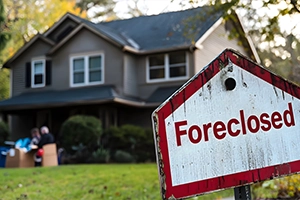
Foreclosure is the legal process in which an HOA forces the sale of a unit or home due to unpaid fees. It is a collection method, but associations should only use it as a last resort.
How does foreclosure work? When an owner stops paying dues, the board can place a lien on the home. A lien is a legal claim that attaches to the property and secures the debt. If the balance remains unpaid, the board can take the next step and file a foreclosure action.
At this point, the case will go through the court system. If the association proves the debt, the court will allow the foreclosure sale to proceed. The home is then auctioned off, and the proceeds will cover the owner’s debt to the association. This includes unpaid dues, late fees, interest, legal fees, and collection costs.
It is important to distinguish foreclosure from eviction. In foreclosure, the HOA doesn’t remove the owner directly. Instead, it changes the property’s ownership. Once the sale is complete, the new owner then takes possession of the unit or home. The previous owner must then leave.
Given the severity of the enforcement action, foreclosure should be the last option. Boards must try other collection efforts first, such as notices, late fees, collection agencies, and payment plans. Still, foreclosure is a real risk for owners who don’t pay their dues.
Understanding the HOA Foreclosure Process
Homeowners association foreclosure follows strict requirements and steps according to Illinois law (765 ILCS 605/9). This statute applies specifically to condominiums.
1. Owner Becomes Delinquent
The process begins when a unit owner fails to pay their condo fees, assessments, fines, or other charges. At this point, the debt will start to grow with late fees, interest, and legal costs.
2. The HOA Lien Automatically Exists
A lien for unpaid HOA fees automatically attaches to the unit once the owner becomes delinquent. This lien will cover all unpaid amounts, plus collection costs. The board must record the lien to make it official in public records.
3. Notice and Collection Efforts
Before jumping to foreclosure, most associations send demand letters or collection notices. They also attempt payment plans or other measures to secure the debt without making the owner lose their home.
4. HOA Files a Foreclosure Lawsuit
If the debt remains unpaid, the association can file a lawsuit to foreclose the lien. The process works similarly to a mortgage foreclosure. The board files the case in court, with the owner getting a chance to respond.
5. Court Process and Judgment
Once the court receives the case, it will then review it. If the board proves the debt, the court will enter a judgment in favor of the association. The court will then allow the association to sell the property to satisfy the lien.
6. Foreclosure Sale
At the foreclosure sale, the unit is sold to the highest bidder. This could be a bank, a third-party buyer, or even the HOA itself.
7. Distribution of Sale Proceeds
Proceeds from the sale then go toward the debt attached in order of priority. Taxes, government liens, prior mortgages, and senior liens are the first in the hierarchy. Then comes the HOA lien, which includes unpaid dues, fees, and legal costs. If any funds remain, they will go to the former owner.
8. New Owner Responsibilities
After the sale, the new owner must start fulfilling their obligations to the association. This includes paying dues and assessments going forward. They must also adhere to the community’s rules.
If the buyer is not a lender, they may also owe up to 6 months of past unpaid dues. Once the new owner settles this balance, the old owner’s debt to the association is generally wiped out.
Can HOA Evict Tenants?
An HOA usually can’t evict tenants directly unless it is the landlord. That said, the association can enforce rules against the owner. It can also take legal action that affects the unit in question.
In some cases, state laws and the governing documents may allow the HOA to require the owner to remove a tenant who violates the rules. This is when HOA evictions happen. If the owner fails to act, the board may step in through legal action, but it ultimately depends on state laws and the CC&Rs or bylaws.
Can HOA Evict You? Answered!
Eviction is not the same as foreclosure. While both involve someone losing their home, the implications, legal proceedings, and requirements differ greatly. An association can use foreclosure to recover unpaid amounts, but it cannot evict an owner in the technical sense of the term.
First Community Management offers expert financial services to condos and HOAs in Chicago and beyond. Get in touch with us today!