
When conflicts arise between neighbors, HOA mediation can be a powerful tool in a board’s arsenal. Board members must know how mediation differs from arbitration, how to initiate the process, and how to stay neutral during the exchange. This will help boards address disputes fairly.
What is HOA Mediation?
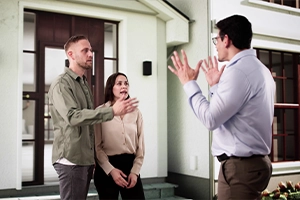
Mediation is a voluntary process where a neutral third party helps neighbors reach an agreement. The mediator does not make decisions. Instead, they guide the conversation and keep it productive.
HOA Mediation vs HOA Arbitration
Mediation and arbitration are not the same. While both are suitable options for HOA dispute resolution, they differ in their outcomes, structures, and enforceability.
Both mediation and arbitration involve a neutral third party. In mediation, this party helps both sides talk through the issue and reach a mutual agreement. The mediator does not decide the outcome.
On the other hand, in arbitration, the neutral third party reviews the facts and makes a decision. They make the final call, and both parties must abide by it. The arbitrator’s decision is often binding and enforceable, with little to no room for an appeal.
The structure of mediation is typically informal and flexible. Either party can simply walk away if they don’t reach an agreement that works for both. In contrast, arbitration is more similar to a court process. The procedure is more rule-based and structured than mediation.
Common Types of Neighbor Disputes in Community Associations
Boards should consider mediation when disputes involve ongoing conflict between owners. In an HOA or condo, HOA neighbor conflicts can take many forms, the most common of which involve the following:
- Noise complaints
- Parking issues
- Pet-related problems
- Boundary or limited common element use
- Harassment or repeated personal conflicts
If the issue is a clear rule violation with evidence, it may be more appropriate for the board to take enforcement action. In comparison, mediation works better when both sides have a role in the conflict.
Should HOA Get Involved in Neighbor Disputes?
Boards should step in when the dispute affects the community or involves a violation of the rules. If an owner violates pet restrictions, for instance, the board should take enforcement action in accordance with the CC&Rs and bylaws.
Association involvement is also often necessary if it’s a matter of nuisance or safety. Examples include repeated disturbances, harassment, or safety risks or hazards. These things tend to affect multiple residents, not just the parties involved, so the board should consider intervening.
Furthermore, boards may need to get involved if the issue relates to fair housing concerns or discrimination claims. Boards that ignore these risks expose the association to liability and legal problems.
That said, not every dispute requires board intervention. Issues that are purely personal should stay between the neighbors. Examples include personal disagreements, gossip, issues outside the association’s authority, and one-time or minor incidents. For such cases, the board should generally leave the neighbors to resolve the disagreement on their own.
How to Handle HOA Disputes Using Mediation

Mediation is a great way to resolve conflict within a community. Here’s how the board can set up mediation for HOA neighbor disputes.
1. Review State Laws and Governing Documents
First, the board should check state laws and the governing documents. Some states and CC&Rs require associations to enter mediation before taking enforcement or legal action.
In Illinois, condominiums may be required to use alternative dispute resolution for certain disputes (765 ILCS 605/32). This typically applies to rule violations or low-value disputes (generally under $10,000).
2. Offer Mediation Early
Once a dispute is ongoing, the board should suggest mediation before the parties make up their minds. Waiting too long often makes it difficult to reach a mutual agreement, as both parties are already set in their ways and positions.
3. Use a Neutral Third Party
Board members and managers should not act as mediators. Instead, go for a neutral third party with no involvement in the matter whatsoever. These include attorneys trained in dispute resolution and professional mediators.
4. Get Both Parties to Agree
Mediation is voluntary, which means boards can’t force the disputing neighbors to enter it. Both owners must agree to participate. The board should encourage them to pursue mediation to resolve the conflict.
What Happens During HOA Mediation?
During the mediation itself, each resident will explain their side of the story. The mediator will keep the discussion on track, ensuring everyone remains respectful. The goal is to reach a mutual solution, so there is no room for pointing fingers or assigning blame.
If the mediation is successful, both parties will agree on the terms. Agreements may include things like quiet hours, parking arrangements, or behavioral expectations.
Documentation is essential if the parties reach an agreement. The board should put the agreement in writing, have both parties sign it, and keep a copy in association records.
The Benefits of a Fair HOA Mediation Process

A fair mediation process gives HOAs and condos a method to resolve disputes while protecting the board and the community. It benefits the association in more ways than one.
1. Builds Trust in the Board
Owners are more likely to trust the board when they see that there’s a neutral procedure in place. A fair approach shows them that the board is not playing favorites. It also reassures owners that their concerns will be handled with care.
2. Reduces Conflict and Escalation
Mediation can help stop small disputes from turning into larger problems. It gives both sides a chance to present their case early on. This often reduces emotional intensity and prevents ongoing hostility between neighbors.
3. Encourages Cooperation
Unlike enforcement or arbitration, mediation focuses on finding a solution that both sides can accept. Owners are more likely to follow through on agreements if they helped reach them.
4. Saves Time and Money
Legal action and formal enforcement take time and can become expensive. Mediation is usually faster and more cost-effective. It also reduces the need for attorneys, hearings, and court appearances.
5. Protects the HOA From Legal Risk
A fair process shows owners that the board acted reasonably and in good faith, thereby fulfilling their fiduciary duties. This can help prevent c or unfair treatment.
6. Improves Community Atmosphere
Unresolved disputes can create tension across the community. Mediation will promote open communication between neighbors, resulting in a calmer, more harmonious environment for everyone.
7. Keeps Control Within the Community
Mediation allows the association to resolve issues internally rather than relying on the courts. This gives the board more control and keeps conflicts more private.
Best Practices for Boards and Managers
Board members and managers should approach mediation with a clear and objective mind. Here are the best practices for HOA conflict resolution.
- Stay Neutral. The board should never take sides during HOA mediation. Doing so can create tension and cause parties to hold onto grudges.
- Be Consistent. If the board offers mediation for one dispute, it should do so for a similar dispute as well. This prevents claims of selective enforcement.
- Communicate Clearly. Board members should explain the process and expectations to both parties. Confusion can delay progress for everyone involved.
- Keep Records. Association boards must always document complaints, mediation offers, and outcomes. This will help protect the association if the dispute escalates.
An Effective Approach
Clearly, HOA mediation plays an essential role in keeping the peace within a community. It helps prevent issues from escalating and keeps matters more private. In the long run, mediation allows the association to save on legal costs and build trust among residents.
First Community Management offers expert financial services to condos and HOAs in Chicago and beyond. Get in touch with us today!