

An HOA sewage backup can be one of the most stressful and damaging issues a community can face. It can affect multiple units, create health hazards, and lead to costly repairs if not handled quickly. Board members should understand the proper steps to take so they can protect residents, limit damage, and manage the financial impact.
What Causes an HOA Sewage Backup?
Sewage backups can happen for several reasons, and many of them develop over time. Common causes include clogged pipes from grease or debris, tree root intrusion, aging sewer lines, and heavy rainfall that can overwhelm the system.
In condominium settings, backups may also result from shared plumbing lines. A blockage in one unit can affect others, especially in stacked buildings. Understanding the source is important because it often determines who is responsible for repairs and costs.
Immediate Steps to Take After an HOA Sewage Backup
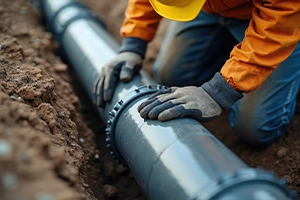
When a sewage backup occurs, it is essential to act fast. Delays can worsen the damage and make health risks more likely. Here are the steps to take when there’s a sewer backup.
1. Stop the Source
First, if possible, address the problem at its root. This may involve shutting off water or restricting the use of plumbing fixtures in affected areas.
2. Secure the Area
The next step is to secure the area. Residents should avoid contact with contaminated water, as it can carry harmful bacteria. Board members should disseminate this information widely.
3. Call for Help
Then, the board should contact the HOA management company or emergency maintenance line. Most associations have vendors on call for urgent situations. These professionals can begin extracting the water and sanitizing the area right away.
4. Document Everything
Finally, the board or manager should document the damage. Photos, videos, and written reports will help later with insurance claims and determining responsibility.
How to Clean a Condo Sewage Backup
Cleaning up after a sewage backup requires more than just removing the water. This type of damage involves contaminated water, which requires specialized handling.
Board members are better off leaving this task to experienced professionals. Call in a vendor for assistance. Once they’re on the site, professional cleanup crews will remove the standing water, disinfect affected surfaces, and dispose of contaminated materials. In many cases, they may also remove and replace drywall, insulation, and flooring.
Of course, they can’t leave the space damp. They must dry and dehumidify the area. This step will prevent mold from growing and stop further structural damage. The process of drying can take several days, depending on the extent of the problem.
How to Repair Damages After an HOA Sewer Line Backup
Repairs and replacement can only take place after the cleanup and drying process. At this stage, professionals will fix the source of the backup, replace damaged materials, and restore any affected units or common areas.
The scope of the repairs will depend on where the issue originated. If the backup stems from a common element, such as a main sewer line, the association must cover the cost of repairs. On the other hand, if the issue started within a unit, the owner may have to bear all or a portion of the cost.
How to Handle Insurance Claims
Insurance plays a major role in managing the cost of an HOA sewage backup. Most associations carry master policies that cover common elements and, sometimes, portions of individual units.
After the incident, the board or manager should notify the association’s insurance provider as soon as possible. The provider will likely ask for documentation, including photos, reports, and vendor invoices.
For affected units, owners may need to file claims under their own policies. It is often necessary to coordinate between the association’s insurance and the owner’s insurance. This way, there is no overlap or redundancy.
Moreover, boards should review policy coverage ahead of time. Not all policies cover sewage backups, and some may need additional approval. Understanding what insurance covers can prevent problems down the road.
Who is Responsible for HOA Sewage Backup?
When sewer lines back up, the first instinct is usually to point fingers and lay blame. After all, the one who is responsible is typically the one who bears the cost of cleanup and repairs. Ultimately, it depends on the governing documents and how they define common elements, unit boundaries, and maintenance obligations.
In general, the association is responsible for shared elements, such as a main sewer line. Meanwhile, owners are responsible for their individual units and, perhaps, limited common elements.
Of course, lines can get blurry depending on the source of the problem. If an owner causes a clog within the unit that then affects the main sewer line, for instance, the costs may fall on the owner. In some cases, both the owner and the association share responsibility.
How to Prevent HOA Sewage Backups in the Future
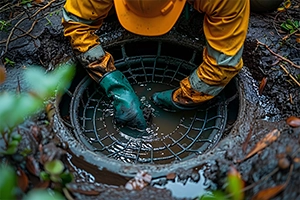
Prevention is always better than dealing with the aftermath of a backup. To keep plumbing lines clear and free, boards should schedule routine inspections and maintenance. This includes cleaning and addressing any early signs of problems.
Reserve planning also plays an integral role in the long-term care of sewer lines. In Illinois, condominiums are required to maintain a reserve fund for the repair or replacement of common elements (765 ILCS 605/9). With healthy reserves, the board makes sure that it has sufficient funds to cover emergencies without relying on special assessments.
Finally, educating residents also helps. Multi-story condominium buildings have a vertical plumbing system with shared pipes for supply and drainage. Since these vertical stacks serve more than one unit, it is very important that residents adhere to some basic principles to reduce the risk of sewage back-ups.
Residents should know not to flush anything other than regular toilet paper down the toilets. Doing so can result in sewage-related back-ups. Below are items that should never be flushed:
- Any type of wet wipes (even if they say “flushable,” they are not flushable)
- Napkins
- Paper towels
- Feminine hygiene products
- Condoms
- Cotton balls/swabs
- Dental floss
Excessive disposal of food particles in the plumbing system can also result in sewage back-ups. Here are some things that owners should never put down a garbage disposal.
- Bones
- Celery
- Coffee grounds
- Egg shells
- Fruit pits
- Grease
- Pasta
- Potato peels
A Proactive Approach
An HOA sewage backup is not only messy and unsanitary, but it can also cause great pain and headaches for the board. With a clear plan in place, board members can respond to sewage emergencies promptly and with care. As a result, this can build trust and confidence in the board.
First Community Management offers expert financial services to condos and HOAs in Chicago and beyond. Get in touch with us today!