Maintenance and repairs are a normal part of an association’s responsibilities, but not everything requires emergency maintenance. Boards and owners need to learn how to distinguish what constitutes an emergency. This way, they can separate and respond to requests correctly.
What Counts as Emergency Maintenance?
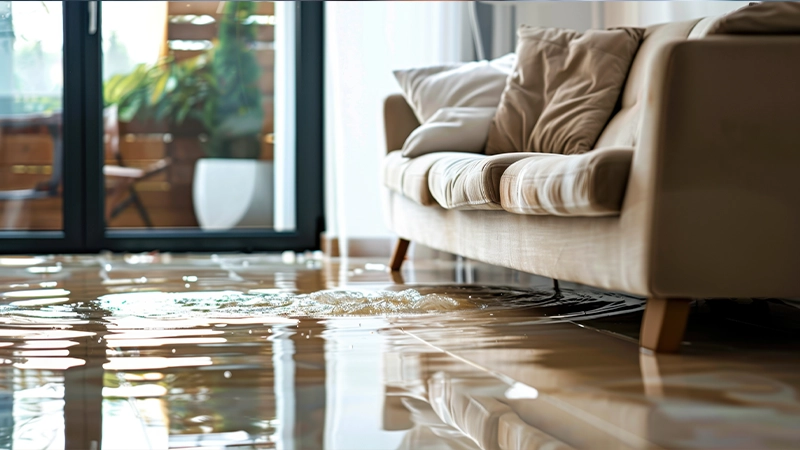
What is considered emergency maintenance in an apartment? These are typically problems or issues that demand quick action or an immediate response. When left unaddressed, they can worsen and affect the entire community in a short period.
Under Illinois law (765 ILCS 605/18), an emergency constitutes:
- An immediate danger to the structural integrity of the common elements, or
- An urgent risk to the life, health, safety, or property of the unit owners.
When an owner notices an emergency, they must follow the emergency request protocols outlined in the governing documents. Of course, when in doubt, owners should call 911 instead.
Typical emergencies that would qualify for emergency support at any hour of the day include scenarios such as:
- Water flows or flooding that cannot be controlled
- The smell of gas
- Fire or unknown smoke
- Building-wide heat or water loss
- An electricity outage not tied to a circuit issue or the power company
When something isn’t working properly, it can definitely feel like an emergency. That said, it is crucial to remember that owners live in a community of numerous units, people, and perhaps buildings. Being reasonable about the urgency of a request can go a long way when reaching out to the condo board.
Additionally, when owners follow the rules that have been set out for the entire community, they can feel confident knowing that their request has been sent to the appropriate person and will be addressed shortly.
Of course, emergencies happen. This is why all condo buildings have an emergency request and response plan in place. This plan details how owners can get in touch with the board or manager to submit emergency requests. Reaching out about emergencies is essential, as ignoring the problem could create more critical and expensive problems to address down the road.
Maintenance Requests vs Emergency Maintenance
If the issue does not affect the health or safety of a unit or others within the community, and if it can be controlled for a short period of time, the request should be categorized as a simple maintenance request.
Other examples of common maintenance requests include:
- Low water pressure
- Fixing minor leaks, including those coming from a ceiling or a fixture, where water can be turned off
- Clogged or slow drains
- Trash chute backed up
- Spills or messes in the common areas
As a responsible member of the condo community, it should be a priority to point out when a problem in the common area or relating to a common element needs attention. This helps the condo board prioritize work for the maintenance team and keeps issues from slipping through the cracks and spiraling out of control.
While maintenance requests may seem dire at times, such as a clogged drain or a roof leak, the board will likely prioritize a fix as soon as possible. But it is unlikely that a team will address the problem in the middle of the night or during a rainstorm. Also, some issues may be the owner’s responsibility to address, so owners need to understand who is responsible for what.
In general, the association is responsible for repairing or replacing common, or shared, elements. Meanwhile, owners are responsible for maintaining their own appliances, fixtures, and elements that serve only their home. Owners can review the governing documents and consult the management company to determine maintenance obligations.
How to Submit a Condo Emergency Maintenance Request
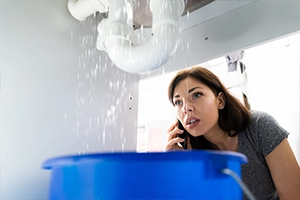
While the process for submitting an emergency apartment maintenance request can vary from one condo to another, they typically follow the same skeletal process. Steps include:
1. Identify Emergency
Not every issue qualifies as an emergency. Emergencies usually involve immediate risk to people or property. Examples include major water leaks, fire hazards, gas smells, electrical failures, or structural damage. If the issue can wait without causing damage, it should go through the regular maintenance request process.
2. Take Immediate Safety Steps
Before contacting management, the resident should try to reduce damage if it is safe to do so. This might include shutting off the water supply, turning off electricity, or evacuating the area if necessary.
3. Contact the Board or Management Company
Most associations provide a 24/7 emergency contact number. This is usually handled by the HOA management company or an after-hours service. Residents should avoid using email or standard portals for emergencies, as the board or manager may not see them in time.
4. Provide Clear and Specific Details
The resident should then explain the issue clearly, providing all essential information. This includes the unit number, location of the problem, what is happening, and how urgent it is. While it helps to provide photos and videos, speed is more crucial at this point.
How to Respond to an Emergency Maintenance Request

On the part of the board or management company, responding to an emergency request is just as important. Here’s what to do after a resident lodges a request.
1. Assess the Situation and Dispatch the Vendor
First, the board or manager must determine if the issue qualifies as an emergency. If it does, they should contact the on-call vendor or maintenance team right away. This will help mitigate the effects of the problem.
2. Vendor Responds and Performs Repairs
Once the vendor receives communication, they will spring into action. The goal is to stabilize the situation and keep it from worsening. This might mean stopping a leak, securing a damaged area, or restoring essential services. Full repairs can take place later on after they take control of the situation.
3. Document the Incident
After handling the emergency, the board or manager must document the incident. This includes noting down costs, the cause of the issues, and the responsibility for repairs. The association may need to contact its insurance provider as well to start the claims process.
4. Determine Responsibility and Next Steps
Finally, the association must decide who is responsible for the damage. Even if the board or manager responded to the emergency request, if an owner is ultimately at fault for causing the emergency, they must cover the cost.
The owner can simply reimburse the association for the initial costs. Then, they can cover the rest of the repairs or any additional work.
The Importance of Unit Owner Education
It is important to note that not all condo buildings follow the same set of rules. This is especially true when it comes to maintenance and emergency requests for individual units and the condo facility itself. Unit owners must know the protocols for their building. If they don’t, it might be worth asking about at the next condo board meeting. Even a quick email to the condo manager might be able to solidify the plan that is already in place.
Regardless, it is important that owners know who maintains responsibility for different types of problems. This way, when they come across an issue, owners can promptly submit a request to the necessary party.
While it is essential to know who to call for certain types of unit or building requests, owners should also know how to submit their request depending on whether it is a maintenance or emergency issue. In order to get the request solved promptly, they need to reach out to the right person with the correct type of request.
Distinguishing Emergencies Properly
Emergency maintenance requires immediate action and attention. Yet, categorizing every small issue as an emergency is a waste of the association’s resources. Boards and owners must know what counts as an emergency and how to file requests when they do arise.
First Community Management offers expert financial services to condos and HOAs in Chicago and beyond. Get in touch with us today!