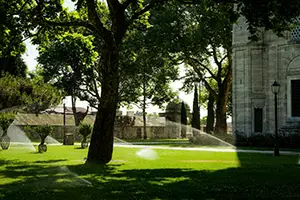
Proper HOA maintenance helps communities stay safe, clean, and attractive. When boards keep up with repairs and inspections, they can prevent larger and more expensive problems later on. Regular maintenance also protects property values and improves the living experience for residents. Without a clear maintenance plan, communities can face a world of issues.
What is HOA Maintenance?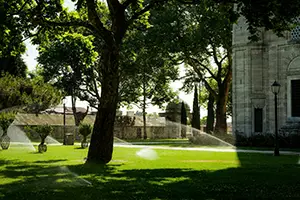
In the context of an HOA, maintenance refers to the care and upkeep of common elements or areas owned by the association. This can include both preventive and reactive maintenance.
The board is primarily responsible for HOA maintenance. Of course, board members often can’t physically perform the maintenance tasks themselves. Instead, they hire licensed and insured vendors to do the job for them. To pay for these services, associations rely on homeowners through HOA dues.
Condo Maintenance vs HOA Maintenance
In an HOA, maintenance usually focuses on community amenities and shared outdoor areas. This can include landscaping, parks, pools, sidewalks, private roads, and clubhouses. In many associations with detached homes, homeowners are responsible for maintaining their own properties. These include roofs, yards, and driveways. The HOA primarily manages common spaces that everyone uses.
In a condominium, maintenance is often much broader. This is because owners share the same building and systems. Condo associations usually maintain roofs, exterior walls, hallways, elevators, plumbing lines, parking garages, and other shared structures. Since many parts of the building connect to multiple units, condo boards must handle more repairs, inspections, and maintenance than HOA boards do.
The Importance of Homeowners Association Maintenance
Maintenance is important in an HOA or condo because it keeps the community safe, functional, and attractive. Regular maintenance can help prevent small problems from turning into expensive repairs. It also protects property values, improves curb appeal, and creates a better living environment for residents.
When boards stay on top of maintenance, they can reduce safety risks and avoid damage. On the flip side, ignoring or deferring maintenance can expose the association to both legal and financial problems.
Preventive maintenance, for instance, often costs less than repairs or replacements. Maintenance also plays a role in keeping residents and their guests safe. Neglecting repairs can lead to accidents or injuries, thereby exposing the association to liability. Overall, proper maintenance can help the association avoid complaints, legal disputes, and financial troubles.
What are the HOA Maintenance Responsibilities?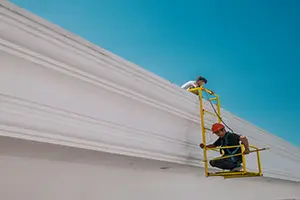
The exact maintenance responsibilities of an HOA will depend on its governing documents. The community plat defines the boundaries, easements, and classifications of all properties and elements. This will help the board identify which areas are under the HOA’s ownership.
Additionally, the CC&Rs should clearly indicate what maintenance tasks the association must perform. These can include landscaping, exterior maintenance, road maintenance, and more. Many CC&Rs also outline the individual maintenance responsibilities of homeowners.
What to Include in an HOA Maintenance Checklist
Maintaining an HOA is integral to the ongoing operations of the community. Every HOA maintenance chart should include the following items:
1. Common Area Maintenance
The HOA usually maintains shared spaces throughout the community. This may include parks, playgrounds, clubhouses, pools, fitness centers, and walking trails.
2. HOA Landscape Maintenance
Most HOAs maintain landscaping in common areas. Responsibilities often include lawn care, tree trimming, irrigation systems, mulching, and weed control. Some HOAs also provide front-yard landscaping for owners, especially in townhome communities.
3. Private Road Maintenance
If the roads are privately owned, the HOA often handles paving and resurfacing, crack sealing, snow removal, street sweeping, sign maintenance, and speed bump maintenance. Public roads are usually maintained by the local government instead.
4. Sidewalk and Pathway Upkeep
The HOA may maintain sidewalks, walking paths, and trails located in common areas. This can include repairs, cleaning, lighting, and hazard removal.
5. Stormwater and Drainage Systems
Many HOAs maintain drainage infrastructure such as retention ponds, storm drains, swales, and culverts. Ignoring these systems can lead to flooding and legal issues.
6. HOA Exterior Maintenance
In some townhouse or planned communities, the HOA may maintain roofs, siding, fences, exterior painting, and shared walls. This depends entirely on the governing documents.
Condo associations’ exterior maintenance responsibilities often extend beyond the basic. These associations maintain exterior walls, balconies, windows (in some communities), building facades, stucco or brick exteriors, and shared doors.
7. Amenity Maintenance
The HOA is usually responsible for keeping amenities safe and functional. This may involve pool cleaning, tennis court repairs, gym equipment servicing, clubhouse maintenance, and security gate upkeep.
8. Lighting and Electrical Systems
Associations often maintain lighting in common areas. These include streetlights, parking lot lighting, pathway lighting, and entry gate systems.
9. Trash and Recycling Services
Some HOAs pay for community-wide trash collection and recycling services. Others coordinate with their local government.
10. Pest Control
In HOAs, pest control is administered to common areas and amenities. For condominiums, the entire building is usually treated, including interior units in some communities.
Additional Maintenance Items for Condominiums
Condominiums are structured differently from single-family HOAs. As a result, condo maintenance tends to be more complex. In addition to the above points, every condo maintenance checklist should also include the following:
1. Roof Maintenance
Condo boards are usually responsible for maintaining and replacing the roof. This is because the roof is a shared item that protects the entire building. Associations with detached homes normally don’t maintain individual home roofs.
2. Elevators
Condo associations may maintain and inspect elevators, including repairs, safety inspections, service contracts, and emergency systems. This responsibility is uncommon in most HOA neighborhoods.
3. Hallways and Interior Common Areas
Condo boards maintain indoor shared spaces, such as hallways, stairwells, and lobbies. Traditional HOAs rarely have these types of interior common areas.
4. Shared Plumbing Systems
Condos often have interconnected plumbing lines that serve multiple units. The association may maintain main water lines, shared pipes, drainage systems, and sewer connections.
5. Shared HVAC or Mechanical Systems
Some condo buildings have centralized systems for heating, cooling, ventilation, boilers, and chillers. The condo association usually handles maintenance and replacement.
6. Fire Protection Systems
Condo associations often maintain building-wide fire safety systems. These include sprinklers, fire alarms, smoke evacuation systems, fire extinguishers, and emergency lighting.
7. Structural Maintenance
Condo boards may be responsible for structural components, such as foundations, support beams, and load-bearing walls. This is one reason condo reserve funding is often more critical.
8. Building Security Systems
Condo associations frequently maintain controlled-access systems, intercoms, security cameras, key fobs, front-desk systems, and garage gates. These are not as common in traditional HOAs unless they are gated communities.
Beneficial to Everyone
All in all, HOA maintenance is critical to ensuring functional amenities, clean spaces, and attractive neighborhoods. Without it, residents will feel dissatisfied, curb appeal will diminish, and property values will plummet. It’s the board’s job to stay on top of routine maintenance and necessary repairs.
First Community Management provides expert HOA, condo, and co-op management services to communities in Chicago. Call us today at (312) 829 8900 or contact us online to learn more!
RELATED ARTICLES:
- Condo Capital Improvements vs Maintenance: What’s the Difference?
- Chicago HOA Landscaping: Bids, Contracts, And The Law
- Who Is Responsible For Water Leaks In Condos In Illinois?