Many associations confuse an HOA capital improvement with a condo capital project. While the two share similarities, they are not one and the same. Learning to differentiate the two terms is the first step in making smarter decisions for a community.
What is an HOA Capital Improvement?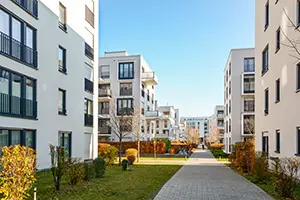
An HOA capital improvement refers to a major project that enhances or extends the life of community property. These projects often involve large-scale upgrades, replacements, or additions that benefit the association over many years.
Examples of HOA capital improvements include:
- Installing a new clubhouse
- Repaving private roads
- Replacing roofs on association-owned buildings
- Adding playgrounds or fitness centers
- Upgrading community lighting systems
- Renovating pools or recreational facilities
- Installing security gates or surveillance systems
Capital improvements differ from ordinary maintenance. Routine maintenance focuses on keeping existing components functional through regular upkeep. On the other hand, capital improvements usually add value or improve functionality. These projects can also help extend the remaining useful life of an asset or component.
An HOA capital improvement project requires careful budgeting. This is because such projects usually come with substantial costs. Boards may also need owner approval before proceeding, depending on state laws and the governing documents.
HOA Capital Improvement vs Condo Capital Building Projects
Many people use these terms interchangeably, but there are important differences between HOA and condominium projects. The scope of responsibility often depends on what the association owns and maintains.
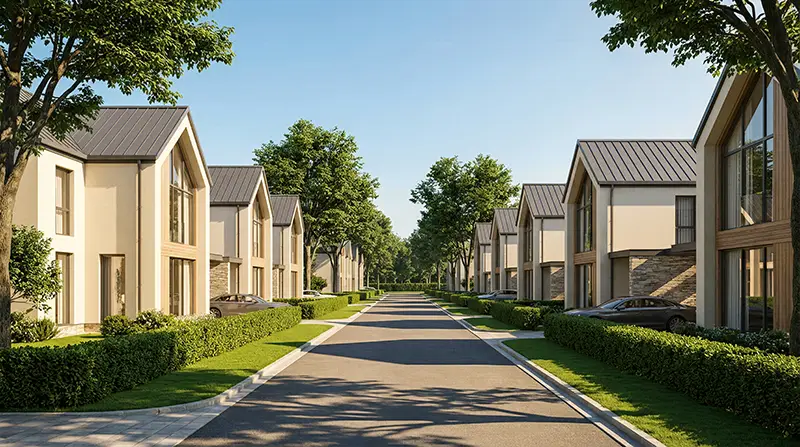
In an HOA, capital improvement projects usually involve shared outdoor areas and community amenities. This may include roads, parks, sidewalks, clubhouses, landscaping, and recreational facilities. Single-family homeowners typically remain responsible for maintaining their own homes and lots.
In comparison, condo capital building improvements often involve structural or mechanical components of residential buildings. Condominium associations usually maintain roofs, elevators, plumbing systems, exterior walls, balconies, parking garages, and hallways. These projects can become more expensive because condos often manage larger shared building systems.
Condominium projects also tend to involve more complex engineering, safety requirements, and building code compliance. As a result, condo associations often face higher reserve funding needs and larger special assessments.
Do HOA Capital Improvement Projects Require Owner Approval?
According to the Illinois Condominium Property Act (765 ILCS 605/18), capital improvements require a two-thirds vote of approval from the membership if the project was not already included in the approved annual budget. In this case, the condo will need to assess a separate fee to pay for the project.
Who Funds HOA Capital Improvement Projects?
Capital improvement projects require financial planning and budgeting. Associations often rely on several funding sources, depending on the size and urgency of the project.
One of the most common sources is the reserve fund. Associations set aside reserve contributions over time to cover the cost of major repairs and replacements. If the project falls under this category, the reserves may cover the costs.
Some associations also charge an HOA capital improvement fee to help cover large-scale upgrades or community enhancements. This fee may apply during home sales, annual budgeting, or special project planning, depending on governing documents.
This fee can go into a separate HOA capital improvement fund. Such a fund can help associations save money for future replacement and upgrade projects that don’t fall under the reserves.
If none of these funding sources work, most boards turn to bank loans, special assessments, or regular dues increases. Boards should communicate openly and clearly with homeowners to set expectations and maintain transparency. This will help gain support for the project and minimize pushback.
The Importance of HOA Capital Projects
A well-planned condo capital improvement or HOA project benefits both the community and individual owners. Here are the ways capital projects positively affect the association.
1. Protects Property Values
Well-maintained communities often attract more buyers and preserve property values. Having updated amenities and infrastructure can also improve marketability. On the other hand, neglected communities may experience poor appearance and lower buyer interest.
2. Reduces Deferred Maintenance
Capital projects help associations address aging components before they fail completely. By replacing outdated systems early, the board can save money on emergency repairs. This proactive approach also helps prevent safety hazards and operational disruptions.
3. Improves Resident Satisfaction
Residents usually prefer more modern amenities, attractive landscaping, and reliable infrastructure. These improvements can enhance the overall living experience within the community. Additionally, features like upgraded pools, fitness centers, and security systems can also increase resident satisfaction.
4. Supports Long-Term Financial Planning
When boards plan capital projects in advance, they can plan the budget more effectively. Board members can project long-term costs and leverage reserve studies to estimate future expenses. This helps avoid financial surprises, which can cripple the association and force large special assessments.
5. Enhances Safety and Compliance
Some projects address important safety concerns or code requirements. This may include replacing deteriorating balconies, updating fire systems, or improving lighting. Ignoring these issues can increase liability risks for the association.
6. Extends the Life of Community Assets
Capital projects can preserve components and extend the lifespan of assets. Replacing or upgrading these components before they deteriorate can maximize the value of investments.
7. Strengthens Community Reputation
Communities that invest in improvements often maintain a stronger reputation among residents and buyers. A clean, updated, and well-managed appearance can reflect positively on the board and management team. In turn, owner retention and buyer demand also increase.
Cost-Saving Strategies for HOA Capital Improvement Projects
Capital building project costs present unique challenges to Chicago associations. Managing costs and ensuring projects stay on budget is critical to both the association’s finances and the happiness of community members.
The following cost-saving strategies are designed to help associations ensure the beauty, safety, and livability of their buildings while maintaining healthy financials and satisfied residents.
1. Using a Competitive Bidding Process
A competitive bidding process is at the heart of any good strategy when managing HOA capital improvement projects. By soliciting bids from multiple contractors, boards can carefully evaluate and select the most advantageous options for their communities. This method not only helps reduce project costs but also promotes transparency and accountability at every stage of the project.
2. Engaging With Experienced Contractors
Selecting the right contractors requires careful consideration, as their expertise directly influences project outcomes. It is important to seek out contractors with proper credentials and extensive experience serving associations. Board members must check testimonials and reviews to ensure contractors are effective.
Hiring an HOA management company can prove beneficial, too. Most companies maintain an extensive network of vetted contractors known for their experience and commitment to delivering quality craftsmanship at competitive rates. With a rigorous vetting process, companies can partner associations with seasoned industry professionals who understand the intricacies of building projects in Chicago.
3. Utilizing Local Material Suppliers
Using local suppliers not only cuts down on transportation costs but also boosts the local economy by keeping resources close at hand. Additionally, local suppliers often provide better-quality materials that are readily accessible, helping keep projects on track and within budget. This approach helps maintain efficiency and cost-effectiveness throughout building endeavors.
4. Maximizing Tax Credits for Green Building Features
Green building initiatives promote sustainability and provide significant financial advantages through tax incentives. Understanding and effectively leveraging these incentives is essential for maximizing project savings.
In Chicago, specific state and local incentives further amplify these benefits. That said, many condo associations do not have taxes due, so some of these programs may not apply or offer value. Work with local contractors to take advantage of all available and applicable programs.
5. Preventive Maintenance and Regular Inspections
Neglecting maintenance can lead to costly repairs down the line. Regular inspections and proactive maintenance can help identify potential issues early, mitigating future expenses. These preventive measures extend the lifespan of building assets and safeguard against unexpected financial burdens.
A Partnership Worth Investing In
Navigating HOA capital improvement projects requires strategic planning and informed decision-making. This is a lot to take on, and boards can benefit by partnering with an experienced management company. With the right support, associations can look forward to cost-efficient and on-time projects that effectively achieve goals.
First Community Management offers expert financial management services to condos and HOAs in Chicago and beyond. Get in touch with us today!
RELATED ARTICLES:
- Condo Capital Improvements vs Maintenance: What’s the Difference?
- What Is The Right Of First Refusal In Condos In Illinois?
- Chicago HOA Landscaping: Bids, Contracts, And The Law