
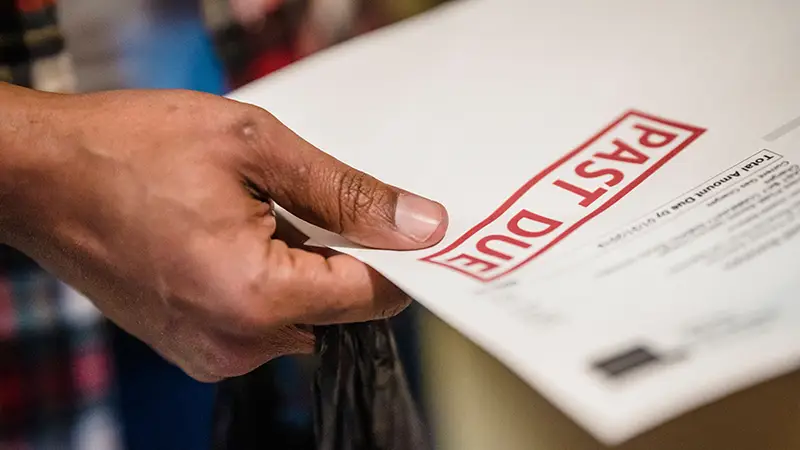
Delinquent HOA dues can create significant financial strain for a community, but the collection process does not have to create tension between the board and homeowners. While associations have a duty to collect dues, they must also balance enforcement with fairness and consistency.
How Delinquent HOA Dues Affect the Community
When owners fail to pay their dues, the entire association can feel the impact. Delinquent HOA fees can reduce the association’s cash flow and operating fund, affecting its ability to meet financial obligations.
As delinquencies increase, associations may struggle to pay vendors and contractors on time. This will halt services and result in problems for the community. Maintenance, repairs, landscaping, and even utilities can get cut off.
Additionally, delinquent dues can interfere with insurance. Premiums can be quite expensive. When the association fails to pay these on time, it can lose coverage, forcing it to pay out of pocket for emergencies.
Other than that, the reserves can also suffer. Associations allocate a portion of dues to the reserve fund. Without consistent revenue, boards have no way of funding major capital repairs or replacements.
Ultimately, delinquent HOA dues can trigger special assessments. To increase cash flow, board members will be forced to levy large one-time fees. In many cases, the burden even shifts to paying homeowners, as delinquent owners are less likely to pay special assessments, too.
What to Include in an HOA Delinquency Policy
Every association should have a written collection policy that outlines expectations and procedures. A well-crafted policy can promote transparency within the community. Moreover, it can ensure consistent enforcement.
The policy should address the following:
- Due Dates. It should clearly identify the deadline for dues and when owners become delinquent.
- Initial Collection Steps. The policy must describe the first actions the association will take when a payment is missed.
- Collection Triggers. Boards should specify when collection efforts begin and what events trigger additional action.
- Escalation Procedures. The policy should explain how the association moves from reminders to formal collection efforts.
- Collection Timeline. It must provide estimated timelines for notices, late fees, payment plans, liens, and legal action.
- Owner Communication Procedures. Finally, the policy must outline how owners can dispute charges, request payment arrangements, or communicate financial hardships.
How to Handle Delinquent HOA Accounts
Delinquent HOA dues can be detrimental to a community, even leading to bankruptcy. Below are the typical collection strategies that associations use.
1. Allow a Grace Period
Before escalating collection efforts, many associations provide a short grace period after the due date. This gives owners an opportunity to catch up on late payments without immediately facing penalties. Sometimes, it’s just a matter of forgetfulness or a busy schedule.
To remind owners, a courteous late HOA dues letter can often get the job done. The letter should include:
- The amount due
- The due date
- Any applicable grace period
- Instructions for making payment
Boards should remember that a professional and courteous reminder can be more effective than an aggressive demand letter, especially if the owner has a clean track record or if it’s in the early stages of delinquency.
2. Send a Formal Notice
If the owner fails to make a payment, the board should issue a formal demand notice after the grace period. This HOA delinquent dues letter should clearly outline the outstanding balance, any late fees or interest, and applicable deadlines. It should also clearly define the potential consequences if the owner continues to remain delinquent.
3. Impose Late Fees or Interest
Late fees and interest can often encourage owners to settle their unpaid balances, as these charges inflate their debt. In Illinois, 765 ILCS 605/18.4 grants this authority to condominium associations.
That said, not all single-family associations have the inherent power to impose such monetary penalties. Board members must check their governing documents to confirm this authority.
4. Suspend Privileges
In some situations, associations may suspend certain membership privileges for owners with delinquent accounts. Depending on the governing documents, this may include amenity access, pool privileges, clubhouse reservations, and even voting rights (if permitted). Again, this authority will depend on the association’s governing documents.
5. Hire a Collection Agency
If internal collection efforts don’t provide results, the board should consider hiring professionals. Many collection agencies specialize in HOA delinquent assessment collections and understand the unique requirements involved. Such agencies may contact owners, negotiate repayment, monitor compliance, and even coordinate with legal counsel.
6. Place a Lien
When dues remain unpaid, the association may record a lien against the home or unit. For Illinois condominiums, unpaid dues automatically create a statutory lien under the Illinois Condominium Property Act (765 ILCS 605/9). On the other hand, liens are not automatic for HOAs. Associations in Illinois must check their CC&Rs and bylaws for guidance.
That said, a lien does not immediately result in foreclosure. Instead, it secures the debt. This means the delinquent owner must first satisfy the lien before selling or refinancing the home.
7. Initiate Foreclosure
Foreclosure is generally considered a last resort. Still, it remains a potential collection strategy if all other efforts fail. Before taking this step, the board should evaluate the likelihood of recovering the debt, the legal costs involved, and the impact of a foreclosure on the community at large.
Should an HOA Offer a Payment Plan?
A payment plan can be an effective tool to reduce delinquency rates and improve cash flow without escalating conflict. Payment plans allow a delinquent owner to settle their outstanding balance in installments.
Sometimes, the board even agrees to waive late fees and interest charges, with the owner only paying the principal amount owed.
That said, associations must exercise caution when it comes to payment plans. Offering one for every delinquent owner in every type of situation can undermine the association’s collection policy. Some owners may even abuse the board’s generosity and consideration.
Before offering a payment plan, the board must consider several factors. These include the owner’s payment history, the amount owed, the reason for their delinquency, and previous payment plans entered. For example, if this is the owner’s first time becoming delinquent, the board may consider extending them a plan.
On the other hand, if the delinquency stems from the owner’s simple refusal to pay or if they have defaulted on a past plan, the board isn’t obligated to offer them a plan. Associations should establish clear rules and procedures for payment plans, including how often to offer one, the parameters for approval, and the consequences for defaulting on the plan itself.
Final Word of Advice
When addressing delinquent HOA dues, board members must find the right balance between empathy and strictness. Associations should have clear policies and exhibit professionalism at every stage of the collection ladder. Consistent enforcement is also key, as unfair treatment — or even the perception of it — can create liability problems for the association.
First Community Management provides expert HOA, condo, and co-op management services to communities in Chicago. Call us today at (312) 829 8900 or contact us online to learn more!
RELATED ARTICLES:
- Unpaid HOA Dues: When Late Payments Become A Bigger Problem
- What To Know About Assessment Collection And Allocation Transparency
- Can HOA Evict You For Unpaid Dues Or Rule Violations?