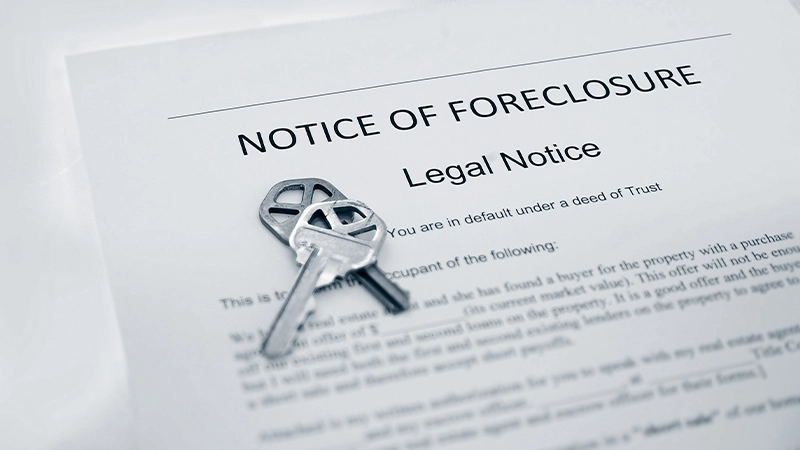
Unpaid condo fees are a common problem among condominium associations. These fees are integral to the continuous and successful operations of a condo, so it makes sense that owners stand to face penalties for nonpayment. Foreclosure, while extreme, is a real possibility.
What are the Penalties of Unpaid Condo Fees?
In Illinois, unit owners are obligated to pay association dues (765 ILCS 605/9). Condo dues are determined by the board, based on an annual budget and allocated according to the percentage of ownership.
These fees play an integral role in the maintenance and management of the community. As a result, owners face a number of potential consequences if they fail to fulfill this obligation. Penalties can vary from one condo to another, depending on the CC&Rs and bylaws, but they typically include the following:
1. Late Charges and Interest
To start, delinquent condo dues can result in late fees, which encourage owners to settle their debt. If the dues remain unpaid, associations usually tack on interest, which accumulates over time and causes the debt to grow. In some cases, boards may be able to waive these additional fees if the owner agrees to pay the outstanding balance.
2. Suspension of Privileges
If the governing documents permit, a condo may temporarily revoke a delinquent owner’s privileges. These include voting rights and access to amenities or facilities. Once the owner pays their debt to the association, they earn back these privileges.
3. Collection Agency
An association may hire an agency to collect unpaid condo fees. This agency assumes responsibility for collecting delinquent dues, along with collection costs. Many agencies even report the debt to a credit bureau, which means owners may see a dip in their credit score.
4. Legal Action
Depending on the amount due, a condo board may file a lawsuit in small claims court or superior court. The court may issue a judgment or order wage garnishment to settle the unpaid fees, along with attorney’s fees.
5. Liens
If an owner fails to pay their condo fees, the association can place a lien on the unit. This lien includes unpaid amounts, interest, late fees, attorney’s fees, and collection costs.
A condo lien is very strong. In fact, it usually comes before most other debts, except things like property taxes and some mortgages. When there’s a lien on the unit, the owner typically can’t sell or refinance it until the lien is settled.
6. Condo Foreclosure
A condo lien foreclosure can occur when the association forecloses on the lien. This usually happens after the board records the lien with the county.
If a unit goes into foreclosure, the COA can sell it and use the proceeds to settle the unpaid condo fees. Alternatively, the association itself can even purchase the foreclosed condo unit.
If someone else buys the unit, the new owners must begin paying association dues moving forward. In some cases, they may also have to pay up to 6 months of unpaid dues from the prior owner. This will clear the association’s lien from the previous owner.
How to Reduce Unpaid Condo Fees

Condo fees cover the association’s operating costs. These include maintenance, landscaping, insurance, utilities, and management. In Illinois, condos are also required to fund reserves. To do this, a portion of the condo fees must be deposited into a reserve account.
Given the importance of condo dues, boards should avoid a high delinquency rate whenever possible. While penalties help encourage owners to settle unpaid condo fees, it is best to prevent nonpayment in the first place.
Here are the best strategies for that.
1. Send Reminders
Sometimes, unit owners simply forget that condo fees are already due. To avoid this, board members should send reminders before the deadline. Formal demand letters work great, too, immediately after the due date.
2. Offer a Grace Period
Grace periods give owners a bit of leeway before the board applies penalties to late payments. The exact duration of the grace period varies by association, but it usually falls between 2 and 5 days. Allowing owners some breathing room can help build goodwill.
3. Expand Available Payment Methods
Gone are the days of traditional checks and snail mail. In today’s financial landscape, associations are expected to adapt. Online payments, credit cards, debit cards, and ACH drafts make it easier for owners to stay up to date on their dues.
This approach also helps attract new buyers into the condo community. Many buyers, especially younger ones, value convenience and technology. By offering multiple payment methods, condominiums can appeal to a broader pool of buyers.
4. Offer Payment Plans
A payment plan breaks up the total debt into smaller and more manageable installments. Some associations are even required to offer one before pursuing more extreme collection measures. After all, payment plans still bring revenue to the condo, which is better than nothing.
Of course, it is important to set ground rules for such plans. For instance, to prevent abuse, a unit owner may only enter a payment plan once. They don’t get unlimited chances. Plus, if they default on the plan as well, they can still face liens and foreclosure.
5. Educate Homeowners
More often than not, owners simply don’t understand the purpose of their fees, and the only way they can think of to rebel is to stop paying them altogether. To avoid this, board members must educate owners on the importance of dues.
Additionally, it is imperative to practice transparency. Boards should present audited financial reports at least once a quarter or annually. This will help owners see where their dues are going. Residents are more likely to pay when they see that the condo is properly managing the association and maintaining property values.
Keeping Condos Financially Solvent
Unpaid condo fees can have a detrimental impact on any association. Board members must strive to keep owners up to date on their payments by adopting the strategies above. If prevention doesn’t work, penalties should apply. Owners can even lose their homes through foreclosure if they fail to fulfill their financial obligations.
First Community Management provides expert HOA, condo, and co-op management services to communities in Chicago. Call us today at (312) 829 8900 or contact us online to learn more!
RELATED ARTICLES:
- What Are The Average HOA Fees For A Condo Association In Chicago?
- HOA Assessment: Who Handles Collection Of Special Assessments?
- Why An HOA Audit Matters More Than Boards Think