
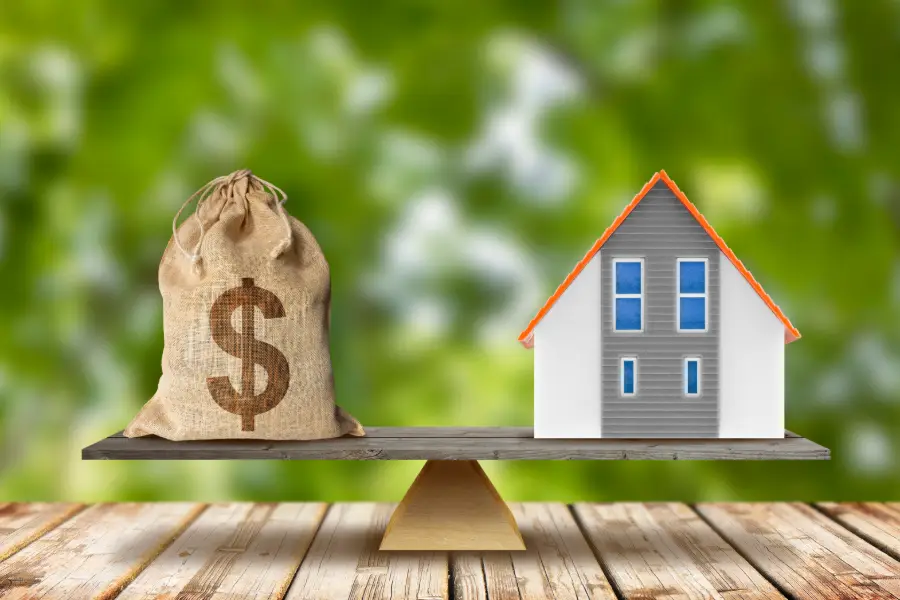
An association loan can be a great financial option for communities struggling with significant expenses. Condominiums, in particular, can benefit from loans to meet extensive maintenance needs. That said, it is important to understand how loans work and how they are repaid.
What is an HOA Loan?
An HOA or condo association loan is a form of financing that allows a community to borrow money from an institution. The association must then repay the amount it borrowed, plus interest, over a set period of time.
Unlike a traditional home loan, an association loan typically uses future dues and assessments as collateral. While owners pay these dues, the association itself is listed as the borrower, not the owners.
Why Do HOAs Get Loans?

There are several reasons why associations obtain loans, such as major repairs and replacements, insufficient reserve funds, emergency expenses, capital improvements, and avoiding large special assessments.
- Major Repairs and Replacements. Many communities take out loans to pay for major repairs and replacements that the operating fund can’t cover. Examples include roof replacements, elevator repairs, plumbing replacements, and structural restoration.
- Insufficient Reserve Funds. When reserves fall short, associations may turn to borrowing money to get them back up to a healthy level.
- Emergency Expenses. An association may obtain a loan to address unexpected damage or urgent safety concerns.
- Capital Improvements. If a community has capital projects in the works, such as a new amenity or a renovation, it may seek out a loan to finance them.
- Avoiding Large Special Assessments. Associations may opt for a loan instead of levying a one-time assessment. This spreads out the cost over several years.
Can a Condo Association Take Out a Loan in Illinois?
In Illinois, condo associations do have the authority to borrow money, provided they also follow their governing documents.
Under 765 ILCS 605/18.4, condo boards can pledge association assets and future income to secure a loan. This requires approval from a majority of the entire board.
State law generally does not require unit owner approval to obtain loans for condo associations. That said, there may be approval requirements concerning the project in question or the dues and assessments the board collects to repay the loan.
Can an HOA Take Out a Loan in Illinois?
Under 805 ILCS 105/103.10, nonprofit corporations can borrow money and use their assets and income to secure loans. This applies to HOAs in Illinois that are organized as nonprofits. Moreover, boards should check their governing documents for further HOA loan requirements or limitations.
Who Pays an Association Loan?
The association repays the lender, but the owners are ultimately responsible for funding the repayment through dues and assessments. This is typically how HOA lending works.
1. Regular Dues
The first option is to incorporate loan payments into the association’s annual budget. This may require an increase in regular dues to accommodate the additional expense. Owners continue paying their dues as usual, while the association makes payments to the lender.
2. Special Assessments
The board can also levy a special assessment specifically to cover the loan payments. Depending on the setup, owners may have the option to pay their share upfront or in installments.
Are Condo Owners Personally Liable for Association Loans?
Generally, condo owners are not personally liable for association loans. The association enters into the loan agreement as a separate entity. Individual owners don’t typically sign the agreement or provide personal guarantees.
Lenders usually secure association loans using income from dues and assessments. They don’t get individual units as collateral.
That said, owners are still legally obligated to pay their dues and assessments to the association. It doesn’t matter if these dues are being used to cover loan repayments. If they default on these dues, owners can face a lien on their unit.
Choosing Between an Association Loan and Special Assessments
Both HOA financing methods have advantages and disadvantages. Association loans allow owners to spread costs over time, but they do come with interest. This increases the overall amount.
On the other hand, special assessments don’t carry the same interest, but they are generally more financially burdensome. Owners usually have to pay them upfront or over a few months.
Some associations combine both methods. For instance, the board can levy a special assessment and offer owners the option to participate in association financing.
Ultimately, the best approach will depend on the association’s needs and financial situation. When in doubt, boards can turn to a financial advisor or community manager for guidance.
What Happens if an Association Defaults on a Loan?
Defaulting on a loan can have serious financial consequences for the association. The lender may impose additional charges, speed up repayment, or claim the collateral.
Boards should do their best to repay the association’s loan consistently. If funds are short, they must look into increasing cash inflow by raising dues or levying another special assessment. A loan default may also affect the association’s ability to obtain loans in the future.
What Should the Board Consider Before Taking Out an Association Loan?

Before applying for a loan, the board should consider its legal authority, the association’s financial health, the reserve funds, the loan terms, dues increases, delinquency rates, and alternative funding options.
- Legal Authority. First, the board should state laws and its governing documents for any requirements and limitations on borrowing money.
- Financial Health. Boards should evaluate the association’s cash flow, existing debts, and operating expenses.
- Reserve Funds. If applicable, consider using the reserve fund to cover the cost of the project. That said, make sure the reserves don’t fall short of meeting future expenses.
- Loan Terms. When shopping for loans, it’s important to compare HOA loan rates, repayment periods, closing costs, and prepayment penalties.
- Dues Increases. Boards must consider the impact of a loan on the owners. Calculate how much additional money owners must contribute to repay the borrowed funds.
- Delinquency Rates. A high delinquency rate might make it difficult for the association to pay back its loan. When considering a loan, the board should evaluate whether it can consistently meet revenue projections.
- Alternative Funding Options. Loans aren’t the only option. Board members should think of other ways to finance a project or increase cash inflow.
Making an Informed Financial Decision
An association loan can help an association out of a financial bind, but the decision to obtain one shouldn’t be careless. Board members must consider all options and meet applicable requirements before taking out a loan.
Finding the right management partner can make a world of difference to your community. Associations in Chicago and beyond can rely on First Community Management for expert HOA and condo management services. Call us today at (312) 829 8900 or contact us online to get started!
RELATED ARTICLES:
- Does A Condo Lien Work Differently? What’s A Super Lien?
- How To Plan And Manage The Condo Association Budget
- What To Know About Assessment Collection And Allocation Transparency