
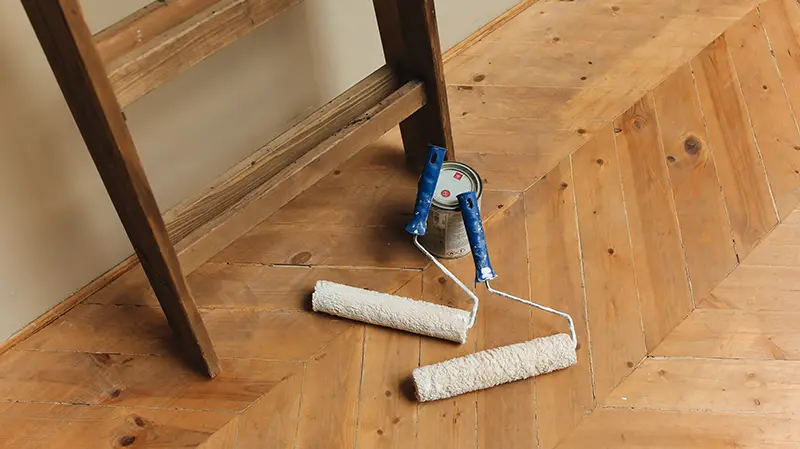
Condo renovation rules can affect a unit owner’s plans to remodel a room or simply knock down a wall. It is important to review these rules before starting construction, as doing so without permission can lead to costly reversals and penalties. Meanwhile, board members must understand the limitations of their authority when it comes to enforcing renovation restrictions.
Are Condo Renovation Rules Legal in Illinois?
In general, condo associations can impose reasonable rules regarding unit renovations. While owners can make improvements within their units, there are limitations.
According to the Illinois Condominium Property Act (765 ILCS 605/29), an owner who owns two or more units may remove a wall between those units, provided the work doesn’t weaken or damage the building, common elements, or another unit. The owner must also notify the board at least 10 days before the work begins.
Common Condo Renovation Rules to Know
While renovation rules can vary from one condo to another, some are more common than others. Here are the typical condo rules for renovation.
1. Get Condo Renovation Permission
Many associations require condo board approval for renovation projects. Owners must submit an application that includes key details, which the board or Architectural Review Committee will consider.
The application may include:
- Construction plans or drawings
- A description of the proposed work
- Product specifications
- Contractor information
- Estimated construction timeline
2. Secure the Right Permits
Most condo remodeling rules require owners to obtain the proper permits from the city or county before beginning any kind of project. Owners are generally responsible for ensuring the work complies with local building codes, fire codes, and other safety regulations. Many associations ask for copies of approved permits before construction can begin.
3. Contractor Requirements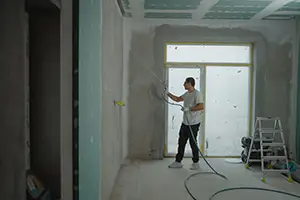
Condo associations often require owners to hire licensed and insured contractors. The board may also require the contractor to sign agreements acknowledging the association’s rules.
4. Construction Hours
As part of condominium renovation rules, most associations restrict when renovation work may take place. Typical construction hours might include weekdays during normal business hours, limited Saturday hours, and no construction on Sundays or major holidays. These restrictions help minimize disruptions for neighboring residents.
5. Elevator Reservations
In mid-rise and high-rise buildings, owners may need to reserve service elevators before moving materials, appliances, or construction equipment. Some associations also require protective padding inside elevators, elevator deposits, and advance scheduling with management.
6. Noise Restrictions
Condo renovation rules also typically cover noise. As construction inevitably comes with a lot of noise, associations often establish limits to minimize disturbances for other people.
For example, they may prohibit early morning demolition, loud work outside approved hours, and continuous excessive noise. Many communities also ban outdoor cutting of materials in common areas.
7. Protection of Common Areas
Owners and contractors are typically responsible for preventing damage to hallways, elevators, lobbies, and other common areas. Condo associations usually require the use of protective floor coverings and dust barriers. They also require daily cleanup and proper disposal of construction debris.
If damage occurs, the owner must cover the cost of repairs. This ensures accountability and minimizes the burden on the association.
8. Security and Building Access
Many associations limit the access of contractors within the community. Condo renovation rules often include checking in with management, wearing identification badges, using designated entrances, and parking only in approved areas. These measures help maintain building security during construction.
When is it Necessary to Seek Approval to Renovate Condo?
Not all condo upgrades will require approval from the condo association. That said, when in doubt, owners should consult their governing documents or ask for guidance from the board or manager.
There can certainly be some gray areas when it comes to condo renovations. Here are a few examples of remodeling projects that frequently require board permission.
1. Structural Changes
If the remodeling project involves any structural changes, such as removing or altering walls, adding or expanding rooms, or modifying load-bearing elements, the owner will likely need permission from the condo association.
2. Plumbing and Electrical Work
Any modifications or additions to the plumbing or electrical systems within a unit will typically require permission. This includes installing new fixtures, relocating plumbing or electrical lines, or making changes that may affect the building’s overall systems.
3. Changes to Common Areas
If an owner’s remodeling project involves accessing or altering common areas, such as hallways, elevators, or shared utility spaces, permission from the condo association will likely be necessary. This ensures that the project does not disrupt other residents or compromise the safety and functionality of common areas.
4. Changes to Exterior Elements
If the remodeling project involves changes to the exterior appearance of your unit, such as installing new windows, altering balconies, or modifying the façade, permission from the condo association is typically required.
Can a Condo Association Deny a Renovation?
A condo association can deny renovation requests if they violate the governing documents or create risks for the community. Because no two requests are exactly alike, condo boards or Architectural Review Committees must examine each application individually.
Common examples of renovation requests that could lead to a denial include:
- Removing load-bearing walls
- Altering common elements without authorization
- Modifying shared plumbing or electrical systems without proper review
- Installing flooring that does not meet soundproofing requirements
- Failing to obtain required permits
- Using unlicensed or uninsured contractors
- Submitting incomplete renovation applications
If the condo denies a request, it helps to include the reason behind the decision. Board members should issue the official decision and the reasons for the denial in writing. This will allow the owner to review their proposal and revise it accordingly. From there, they can resubmit the application and increase their chances of approval.
What Happens if an Owner Renovates Without Approval?
It is never a good idea to ignore the condo renovation rules of an association. Doing so can lead to significant consequences. For one thing, the condo may demand that the owner reverse the changes (at their own expense) and go through the proper application process. Only once they have secured approval can they restart construction.
Violations of the rules can also result in other types of penalties. Depending on the governing documents, these penalties may include:
- Violation notices
- Fines
- Suspension of privileges
- Legal action
Owners should obtain approval before construction not only because it’s required but also because it’s less expensive in the long run. Correcting the unauthorized work and then redoing everything will cost the owner more money.
A Clear Purpose
Many unit owners view condo renovation rules as annoying and restrictive, but they do serve a crucial purpose. They are intended to maintain aesthetic standards and ensure safety in construction. All in all, unit owners stand to benefit from these rules, as they ultimately help protect property values.
First Community Management provides expert HOA, condo, and co-op management services to communities in Chicago. Call us today at (312) 829 8900 or contact us online to learn more!
RELATED ARTICLES:
- Pest Prevention In Condos: Dealing With Infestations This Spring
- Who Is Responsible For Water Leaks In Condos In Illinois?
- What Is The Right Of First Refusal In Condos In Illinois?