
Every community should have appropriate HOA reserves to ensure healthy and stable finances. Of course, reserve requirements can differ depending on state laws and the governing documents. Board members must understand the role that reserves play and what rules they must follow to ensure adequate funding.
What are HOA Reserves?
Homeowners association reserves consist of funds that the board sets aside to cover the cost of major repairs and replacements in the future. This fund essentially serves as an important safety net, providing financial security and peace of mind.
With healthy reserves, board members can ensure there’s enough cash available when significant maintenance expenses arise. The reserves are crucial for avoiding sudden special assessments or borrowing money in emergencies. Both options can strain owners financially.
Of course, the board can’t just arbitrarily decide how much these reserves should contain. By regularly reviewing and adjusting contributions, the board can ensure the reserve fund grows adequately to meet future needs without burdening residents.
HOA Reserve Funds vs HOA Contingency Funds
While both funds are used for unexpected costs, the reserve fund and an HOA contingency fund are not the same. Reserves are dedicated, long-term savings that cover scheduled repairs or big-ticket replacements. Meanwhile, a contingency fund acts as a cushion for the operating budget, covering unanticipated day-to-day costs.
When planned properly, reserves come into play infrequently. They are for planned repairs or replacements, only occurring when an asset meets the end of its useful life. In comparison, contingencies happen more occasionally when actual operating expenses exceed the budgeted expenses.
Additionally, contingency funds offer more flexibility. The board can generally spend this fund within the boundaries of the approved operating budget. On the other hand, reserve funds tend to be highly restricted, often requiring a vote before the board can use them.
Understanding HOA Reserve Requirements in Illinois
Whether or not an association must fund reserves depends on state laws and the governing documents. In Illinois, the law legally requires condominiums to fund reserves as per 765 ILCS 605/9.
When deciding how much money to save in reserves, the board should consider:
- How old the components are,
- How long they will last,
- Investment earnings on reserve money,
- How much repairs or replacement will cost,
- Reserve studies from professionals,
- The financial burden on owners,
- Property values, and
- Whether the association can borrow money if needed.
If the governing documents don’t require reserves, the owners can vote to reduce or completely waive reserve funding. To do this, two-thirds of all owners must approve it. The owners can later vote again to restore reserve funding.
If the association decides not to fully fund reserves, the board must disclose this in its financial statements. It must also clearly inform prospective buyers.
How are HOA Reserves Funded?
Regular dues serve as the primary source of funding for the homeowners association reserve fund. The board includes reserve contributions in the annual budget. Owners then pay into reserves as part of their normal dues.
For example, the board might collect $400 per owner in dues, setting aside $100 for the reserves. The rest goes into the operating budget.
Of course, there are times when the reserves are too low or a major repair suddenly arises. In such cases, the association may need to levy a special assessment. This is an extra charge to owners outside of regular dues.
Special assessments often make up for underfunded reserves because they offer immediate liquidity. That said, there are other ways to fund reserves, including bank loans, investment earnings, surplus funds, and developer contributions.
How Much Should an HOA Have in Reserves?
It is easy to set up a reserve fund, but most board members struggle to estimate its funding needs. How much reserve should an HOA have?
Unfortunately, there is no universal answer. The appropriate funding level depends on a few factors, including the community’s size, age, amenities, and maintenance obligations. A small community with only a private road will need far less in reserves, for instance, than a condominium with elevators, pools, roofs, and parking garages.
To determine reserve needs, boards must perform a reserve study. A reserve study estimates the following:
- Major components the association must maintain
- Remaining useful life of those components
- Future repair and replacement costs
- Recommended annual reserve contributions
Generally, reserve funding is often measured as a percentage of fully funded reserves. A reserve fund is considered strong if it is at least 70% funded.
Can HOA Reserve Funds be Used for Operating Expenses?
Whether an association has the authority to use reserves for operating costs depends on how strict its governing documents are. Some communities can use HOA reserves for operating expenses with approval, but the board must eventually return the sum.
In other associations, this practice is highly restricted. After all, reserve funds are intended for major repairs and replacements, not routine day-to-day costs. Borrowing from reserves can be risky as it can lead to long-term problems, such as deferred maintenance, insurance issues, and fiduciary concerns.
Additionally, many associations are required to keep a separate HOA reserve account. This makes it easier to monitor cash balances and flow. It also ensures that the board doesn’t mix up the operating budget with the reserves.
Other Ways to Prepare for Unexpected Expenses
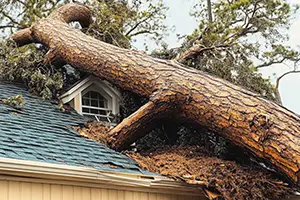
Managing (and potentially avoiding) unexpected maintenance costs begins with proactive planning and strategic financial management.
Whether it’s a sudden roof repair, elevator malfunction, or plumbing emergency, these surprises can strain the association’s budget and your community.
Apart from having adequate HOA reserves, here are the strategies to prepare for unanticipated maintenance costs.
1. Follow a Maintenance Schedule
Association dues cover both routine maintenance and unexpected repairs. By allocating a portion of these dues to routine maintenance, boards can ensure proper coverage in the budget, allowing them to stick to a maintenance schedule.
Routine maintenance items to account for include:
- Maintenance of residential systems, such as building plumbing, electrical, hot water systems, HVAC systems, and elevators
- Maintenance of common living areas like hallways and lobbies
- Outdoor and landscaping maintenance
- Parking and structural maintenance
- Maintenance of shared common amenities, such as fitness room, pool, rooftop, or lounge rooms
Each of these items should follow a maintenance schedule so that they don’t fall into disrepair and cost more years down the road.
A skilled community manager can stay on top of the maintenance schedule, preparing for tasks and avoiding problematic costs due to negligence.
2. Plan Ahead for Major Maintenance and Repairs
While boards can’t predict every minor maintenance issue, associations can plan for routine maintenance items and major repairs to significantly reduce the likelihood of surprises. By following the maintenance schedule mentioned above, boards can know when there’s a need for expensive repairs.
In taking a proactive approach, board members can identify potential problems early on. This helps minimize disruptions and spread out costs over time, making them more manageable.
3. Navigate Special Assessments With Care
Sometimes, special assessments are necessary for covering unexpected costs or funding major improvements within communities. Transparency in communication is paramount to ensure all owners understand why the assessment is necessary, detail how the funds will be allocated, and create avenues for open dialogue.
Running the association with an open and honest approach fosters trust and understanding, leading to a shared commitment to maintaining and enhancing the condo property. Hosting town hall meetings or informational sessions allows residents to voice concerns and gain clarity on the assessment’s purpose and impact.
This collaborative approach builds trust and solidarity among community members and fosters a shared commitment to maintaining and enhancing the property. It’s a testament to the sense of community and shared responsibility at the heart of effective condo management.
4. Stay Compliant With Building Codes
Associations must adhere to building codes and safety standards established by local building authorities. Condominiums, in particular, face more stringent requirements.
Compliance ensures the structural integrity, safety, and habitability of the property. Regular inspections and maintenance checks help identify and address any code violations promptly. Navigating these legal and compliance considerations requires proactive management and a thorough understanding of regulatory requirements.
In More Capable Hands
Navigating HOA reserves is often challenging, especially for boards with little to no experience. Since reserves play a critical role in the long-term stability of the community, boards should consider hiring professional help. An HOA management company can ensure the association meets its reserve needs and complies with regulatory standards.
First Community Management offers expert financial management services to condos and HOAs in Chicago and beyond. Get in touch with us today!
RELATED ARTICLES:
- What To Look For In Condo Financial Statements
- Condo Capital Improvements vs Maintenance: What’s the Difference?
- How To Calculate HOA Assessment Amounts