
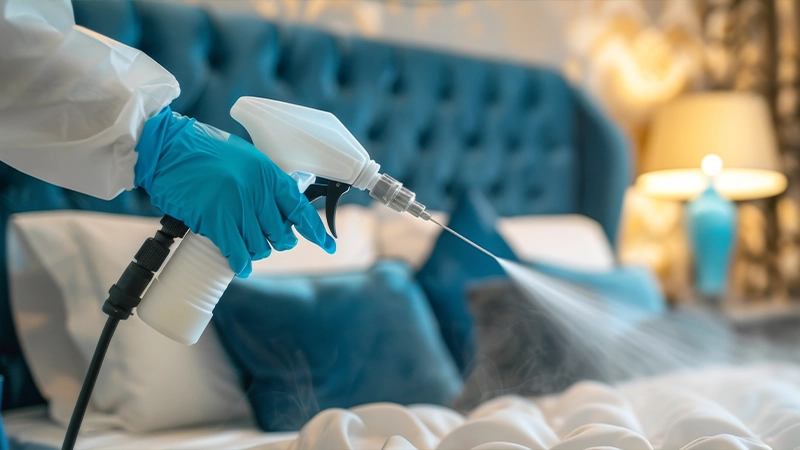
Pest prevention in condos is a primary concern among both board members and unit owners. Since units are in close proximity, a small intrusion can quickly become a full infestation. Condo associations must learn how to prevent pests in the first place and how to deal with them if they take over the building.
The Importance of Pest Prevention in Condos
The spring season brings fresh air, sunnier days, and blossoming nature — all of which residents look forward to. But there is one thing that comes with springtime that condo owners despise: pests.
In condominiums, pest prevention is critical for a few reasons:
- Protect Resident Health. Cockroaches, rodents, and flies can contaminate food and spread diseases. Some even trigger allergies or asthma in people.
- Prevent Structural Damage. Rodents, in particular, can chew through electrical wiring. Meanwhile, termites and carpenter ants can cause significant damage to the building’s infrastructure, costing the association a ton in repairs.
- Maintain Property Values. A pest-free environment helps ensure that residents are happy and keeps the association’s reputation intact. This, in turn, attracts potential buyers and maintains property values.
Most Common Pests in Condos
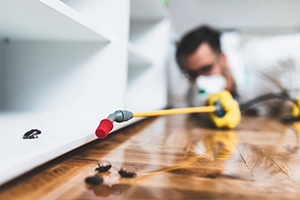
Pests come in all shapes and forms, but the most common ones people will encounter in condos include:
- Cockroaches. These creepy crawlers are attracted to warm, humid areas, such as kitchens and bathrooms. They can spread disease through food contamination.
- Rodents. Condo rodent problems include property damage and health hazards spread through droppings and urine. Several signs can indicate rodents in a condo, including scurrying or scratching noises, droppings, gnaw marks, and ammonia-like odors.
- Bed Bugs. These parasitic insects can quickly spread between units, often hitching rides on luggage or furniture.
- Termites. Termites can cause significant damage to wood and are often found in older buildings.
- Ants. While they are the least problematic, ants can still cause a nuisance and even bite people. They often invade homes in search of food.
Understanding HOA Pest Control Responsibilities
Whether a condo association is responsible for pest control depends on two factors: state laws and the governing documents.
State Laws
Board members must check their state and local laws for pest control duties. In Illinois, there is no state law that requires COAs to specifically handle pests.
That said, Chicago has its own local ordinances. Section 7-28-840 states that condominiums must adopt a pest management plan for detecting, inspecting, and treating bed bugs, in particular.
Governing Documents
A condo association’s CC&Rs and bylaws should detail pest control obligations. These documents should outline what the association and unit owners are responsible for.
In general, the COA is responsible for pest control in common areas, while owners are responsible for pest control in their unit interiors. If the problem becomes a full-blown infestation, affecting multiple units and common spaces, the association will likely need to cover the cost of extermination.
How to Perform Pest Prevention in Condos
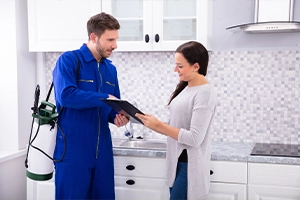
As the saying goes, prevention is better than cure. Instead of waiting for pests to invade, condo boards should implement specific strategies to prevent them in the first place. Here’s how to conduct pest prevention in condo buildings.
1. Conduct Regular Inspections
The association, through its board, manager, or contractor, should regularly monitor all common areas. These include spaces such as hallways, basements, and trash rooms. Routine inspections help detect pest issues early on, allowing the COA to get a jump on a remedy.
2. Do Preventive Maintenance
Preventive maintenance can go a long way in pest prevention in condos. The board must seal any cracks and fix any leaks at the first sign of them. It is also important to ensure proper garbage disposal to remove food and water sources that can attract pests in large numbers.
3. Educate Residents
More often than not, pest infestations start at the unit level. Residents might leave trash out for too long, fail to clean up after themselves, or even bring home bed bugs from a recent trip. A collaborative approach is necessary to prevent pests altogether.
Board members should educate residents on the proper ways to deal with pests and their sources. Residents should take out their trash regularly and keep their homes clean. If they see any pests, they should report the sighting immediately to management.
4. Practice Integrated Pest Management
Integrated Pest Management (IPM) is a sustainable and environmentally sensitive approach to pest control. This practice combines biological, cultural, physical, and chemical efforts to remove pests while simultaneously mitigating economic, health, and environmental risks.
Since board members aren’t typically well-versed in IPM, it is best to contract a professional to do it. Most HOA management companies maintain extensive networks of pre-vetted vendors, but a quick online search should also yield recommendations.
How to Handle Chicago Condo Pest Control
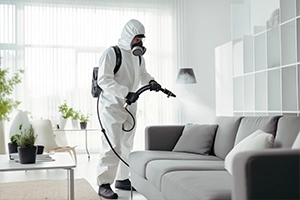
Pests are notoriously difficult to get rid of, especially since they can hide in nooks and crannies. If prevention efforts fail, condo boards must respond with a treatment plan.
1. Professional Intervention
Try as they may, board members can rarely eradicate pests on their own. The job calls for professional services. Boards should schedule regular inspections and pest control from a licensed company.
2. Targeted Treatments
Specific pests require specific types of treatments. For instance, for a condo rodent infestation, the association would need to set traps and seal entry points to prevent further invasions.
Gel baits on countertops, along baseboards, and near hinges can help eliminate cockroaches. Meanwhile, ants and other crawlers can be removed by placing Diatomaceous Earth in cracks, crevices, and under sinks.
3. Preventive Measures
Once pest treatments have been applied, the association must take action to prevent further or repeat infestations. This involves sealing gaps around pipes, caulking cracks in the walls, and using door sweeps to keep pests out.
Another preventive strategy is to practice proper sanitation for both the COA and the residents. Regular cleaning and trash disposal are necessary to keep pests at bay.
Lastly, moisture control is essential. Fix plumbing leaks immediately and use exhaust fans to keep bathrooms dry. Moisture attracts pests, so keeping it to a minimum can keep them away.
A Holistic Approach
Clearly, practicing pest prevention in condos is a matter of health, safety, and long-term property protection. Board members should develop a clear policy and plan to address pests while allocating budget funds for professional pest control.
First Community Management provides expert HOA, condo, and co-op management services to communities in Chicago. Call us today at (312) 829 8900 or contact us online to learn more!