

Associations levy a special assessment during times of great financial need. Board members must understand the extent of their authority regarding special assessments, which situations warrant them, and whether a membership vote is necessary. In doing so, they can stay within the limits of their powers and avoid liability.
Can a Condo Association Levy a Special Assessment in Illinois?
First, it is important to understand what a special assessment is. Simply put, it is an additional fee, separate from regular dues, that associations charge to owners. This assessment typically comes in the form of a one-time fee, but some associations collect it in installments.
In Illinois, associations do have the authority to levy a condominium special assessment. According to 765 ILCS 605/18, a condo board may charge this assessment when needed. Associations must provide adequate notice and decide on the assessment at open meetings.
Additionally, the special assessment must be reasonable and justifiable. Boards must spend the money on the expense it was intended for.
Can the Board Levy a Special Assessment in an HOA in Illinois?
In Illinois, homeowners associations generally have the authority to levy special assessments. That said, this authority must be expressly granted by the association’s governing documents. When an HOA special assessment is levied, the board must provide notice and adopt it at a properly noticed meeting.
When can an HOA Levy a Special Assessment?
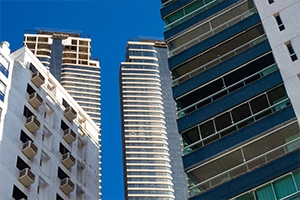
Special assessments are sometimes necessary for an association to meet its financial needs. That said, they should not come often. These additional fees must be rare, especially if the board manages the association’s finances properly.
Here are the situations that would push the board to levy a special assessment.
1. Miscalculated Budget
It is the board’s job to project expenses and plan the budget. When the board fails to do this properly, for example, by underestimating costs, it can result in a budget shortfall. Dues won’t be able to cover this gap, especially if it’s too large, pushing the board to levy a special assessment.
2. Rising Costs
Inflation and the rising cost of materials and labor can also lead to special assessments. If the board doesn’t account for these economic factors, regular fees won’t cover the difference.
3. Unanticipated Expenses
Boards may plan the budget well, but unexpected costs can still crop up. If the neighborhood experiences flooding, for instance, the cost of repairs and recovery will compel the board to charge special assessments, especially if insurance doesn’t cover it.
Another example is when the association faces legal issues. A lawsuit can drain the condo’s budget, as litigation fees can quickly accumulate.
4. High Delinquency Rate
Even when the board does everything right, a budget deficit is likely in the cards when owners fail to pay their dues. To cover this gap, the board would either need to raise dues for the succeeding months or levy a special assessment.
5. Underfunded Reserves
An association’s reserves cover the cost of future major repairs and replacements. Condo associations, in particular, need reserves because they have more shared elements to maintain. When reserves are underfunded, the association jeopardizes both residents’ safety and the community’s financial health.
To meet reserve needs, the COA board must collect reserve contributions from owners. But if an association has failed to do this for the past few years, it is far behind the funding schedule. Associations that need an immediate cash injection into their reserves would have to levy a special assessment.
Do Special Assessments Require a Membership Vote?
In general, only a board vote is necessary to approve a special assessment. That said, Illinois law does place limitations.
According to 765 ILCS 605/18, if the total assessments for the current fiscal year exceed 115% of the total assessments for the previous year, the membership may challenge the amount. This includes special assessments.
Unit owners who possess at least 20% of the voting power can submit a written petition to the board within 21 days. The condo board has 30 days to call a meeting of the unit owners, where owners can vote to reject the special assessment. If the majority vote isn’t reached, then the assessment automatically passes.
Similar provisions exist for homeowners associations under 765 ILCS 160/1-45.
Special Assessment Requirements in Illinois

Illinois law is quite detailed about the requirements condominiums and HOAs must follow when it comes to special assessments. Associations must provide adequate notice, vote on the assessment if it exceeds a certain percentage, and pass the assessment at an open meeting.
Notice Requirement
Board members must notify all unit owners of their intention to levy a special assessment. This notice should include the amount of the assessment, the justification, and the payment schedule. It can also explain how the assessment affects future dues and the reserves.
For most associations, the governing documents require at least 10 days’ but not more than 30 days’ notice before a special assessment is levied. The board must send this notice via mail, email, or in person.
Limitation on Amount
Illinois law does not impose a statewide limit on how much a condo can charge in special assessments. Board members generally have the discretion to decide the amount based on the association’s needs.
That said, the law requires condos and HOAs to hold a membership vote on assessments exceeding 115% of the previous fiscal year’s assessments. Additionally, many governing documents impose internal limits, requiring a membership vote for any amount that exceeds them.
Open Meeting
In Illinois, HOA and condo boards must vote to levy a special assessment at a properly noticed board meeting. This board meeting must be open to all owners. The board can discuss the assessment, the reason behind it, and vote to pass it at the meeting.
Word of Advice
Condo associations generally have the authority to levy a special assessment. That said, boards should never abuse this authority. Special assessments should come rarely, especially if the board does its job correctly. Plus, there are certain requirements boards must follow when imposing this charge.
First Community Management provides expert HOA, condo, and co-op management services to communities in Chicago. Call us today at (312) 829 8900 or contact us online to learn more!