
In Illinois, HOA board meetings are governed by certain laws and requirements. Board members of both HOAs and condominium associations must adhere to these requirements to avoid liability. Moreover, it is imperative to adopt the best meeting practices to ensure smooth and productive meetings.
What are HOA Board Meetings?
At the helm of every HOA or condo association, there is a board of directors calling the shots. This board is responsible for the community’s operations and management. Tasks include budget planning, dues collection, rule enforcement, vendor coordination, and common area maintenance, among other things.
To facilitate business, board members must often gather at an official meeting. This is known as the HOA board meeting. At this meeting, directors discuss association matters, vote on issues, and finalize decisions.
Are HOA Board Meetings Required in Illinois?
In Illinois, HOAs and condominiums are required to hold and attend board meetings. This is according to 765 ILCS 160/1-30 (for HOAs) and 765 ILCS 605/18 (for condos).
Without board meetings, directors have no way of conducting official business. Operations would stall, and the community would quickly fall into disrepair. The end result involves diminished curb appeal and lower property values.
Understanding HOA Board Meeting Requirements
In Illinois, the Common Interest Community Association Act and the Condominium Property Act govern HOAs and condo associations, respectively. These statutes set forth the requirements for board meetings. Failure to comply with these requirements can constitute an illegal HOA board meeting and lead to liability.
How Often Should HOA Board Meetings Occur?
Both common interest communities and condominiums must hold board meetings at least four times per year. The law does not prohibit boards from going beyond this frequently, but they must not fall below it.
How Much Notice is Required for HOA Board Meetings?
Illinois law requires associations to provide adequate notice for every board meeting. The HOA board meeting protocol for notices is at least 48 hours before the meeting using two methods:
- Posting the notice in entranceways, elevators, and other visible areas, and
- Mailing or personally delivering the notice to every owner.
If an owner has consented to it, the association may deliver the notice using electronic means.
The notice requirement differs for budget and assessment meetings. At any meeting where either or both will be discussed, condo boards must deliver the proposed annual budget to all owners at least 25 days before the adoption meeting.
On the other hand, HOA boards must provide it at least 30 days but not more than 60 days before the adoption meeting. Any meeting that will involve the adoption of the budget, regular dues, or special assessments must provide proper notice (10 to 60 days prior).
Who can Attend HOA Board Meetings?
For both HOAs and condominiums, attendance is only required for board members. A quorum of the board is necessary for the meeting and official business to proceed. Otherwise, the board must postpone the meeting.
That said, associations must open board meetings to all owners. This means that any owner may attend any board meeting, except executive sessions. The HOA or condo board may also invite other guests or professionals to attend the meeting, such as the community manager or the association’s lawyer.
Do Owners Have a Right to Comment at HOA Board Meetings?
It depends on the type of association. At condo board meetings, owners don’t have the inherent right to comment. That said, many condominiums have policies that allow owners to offer input during the designated open forum.
Meanwhile, the law requires HOAs to open the floor to member comments during board meetings. The board may set a duration and reasonable rules for these comments.
Are HOA Board Meetings Open to the Public?
The general public is not typically invited to attend board meetings. These meetings are only open to members of the association. That said, the board may extend an invitation to certain individuals and professionals, such as managers, engineers, lawyers, and accountants. Owners may also designate a representative to attend the meeting on their behalf.
Are HOA Meeting Minutes Required?
Every board meeting must be documented through the meeting minutes. The board secretary is responsible for taking and storing these minutes. According to Illinois law, HOAs and condominiums must maintain a copy of meeting minutes for at least seven years.
Moreover, owners have a right to examine and copy the minutes of any board meeting (within the past seven years). To do this, they must submit a written request to the board or management company. The board must comply with the request within 30 days.
Can Owners Record HOA Board Meetings?
According to Illinois condominium law, owners may record the board meeting by tape, film, or other means. Of course, this right is not without its limits. The condo board may still enforce reasonable restrictions governing the recording of board meetings.
The Common Interest Community Association Act is silent on the matter.
Best Practices for an HOA Board of Directors Meeting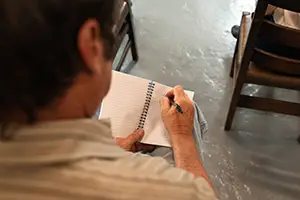
Conducting an efficient and productive board meeting requires the implementation of certain best practices. Here are the strategies to adopt for a well-run HOA board meeting.
1. Come Prepared
Attendees should know what to expect at each board meeting so that they can make the right preparations. This makes it easier for everyone to stay on task and move through business quickly.
An HOA meeting agenda helps everyone get on the same page. Common agenda items include a discussion of old business, new business, committee reports, financial updates, new action items, and an opportunity for owners to ask questions.
2. Stay on Task (and Keep Watch of the Clock)
Conversations can easily veer and meander. To keep everyone on task, many boards institute time limits for agenda items. When time’s up, wrap it up.
3. Welcome Input
While it may feel like opening the door to a prolonged meeting, encouraging everyone to participate and ask questions is an important part of conducting a productive meeting. Often, simply having one open discussion about a topic can resolve an issue far faster than multiple side conversations.
4. Use Modern Tools
The minutes serve as a historical record of board meetings. They log the timeframe, discussions, decisions, and action items of every meeting. The board can review these minutes to identify areas to improve for future meetings.
That said, the board secretary often has a hard time staying active and participative when they have to record the minutes. Fortunately, there are modern tools that allow for easier note-taking.
5. Know When to Wrap Up
To conclude the meeting, the board should offer a concise summary and review any action items. This will leave attendees with a clear understanding of the discussions that took place and what they can expect at the next meeting.
A Requirement for Boards
Adhering to the requirements of HOA board meetings in Illinois can come as a challenge for volunteer directors. It requires a strong grasp of state laws and the management skills to put them into effect. When in doubt, it is beneficial to seek help from an HOA management company.
First Community Management provides expert HOA, condo, and co-op management services to communities in Chicago. Call us today at (312) 829 8900 or contact us online to learn more!
RELATED ARTICLES:
- HOA Meeting Etiquette: A Guide For The Board And Homeowners
- When Should Meeting Minutes Be Distributed?
- HOA Meeting Notice Best Practices For Better Attendance