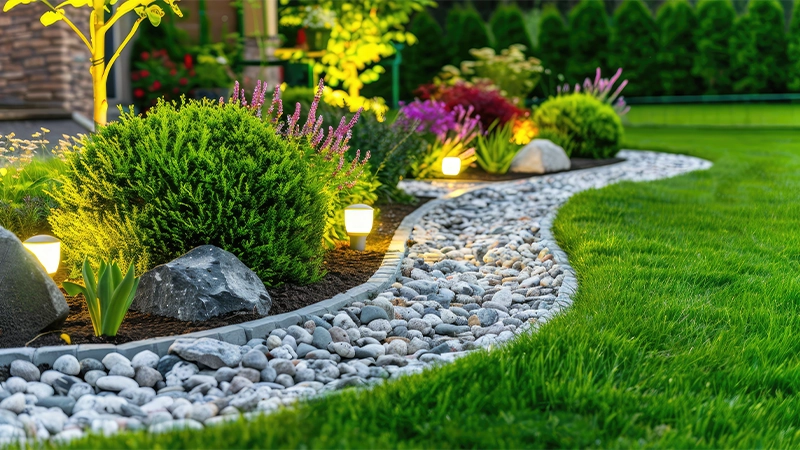
HOA landscaping plays an essential role in maintaining curb appeal and property values, but many boards don’t know the first thing about managing it. Securing the right vendors, evaluating bids, and negotiating contracts are all part of the process.
HOA Landscaping and the Importance of Getting it Right
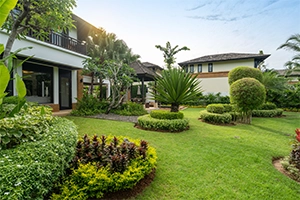
Landscaping is one of the responsibilities of a homeowners association or condominium. Typically, this job is confined to the common areas, but some communities offer landscaping services to individual lots as well, especially in single-family homes.
Associations should prioritize community landscaping for several reasons:
- Enhanced Curb Appeal. A well-kept environment makes the neighborhood more attractive to potential buyers and visitors.
- Increased Property Values. Well-maintained landscapes, particularly when handled by a professional, can raise property values.
- Risk Management. Proper HOA landscape maintenance can keep common areas safe by keeping walkways clear, preventing overgrown plants, and avoiding falling tree branches.
- Sustainability. Associations can cut costs by investing in proper irrigation and native plants, which can also contribute to eco-friendly efforts.
- Community Pride. Residents tend to feel prouder of living in a well-maintained neighborhood. It also encourages them to take care of their own landscaping to follow the example.
How to Build an HOA Landscaping Budget
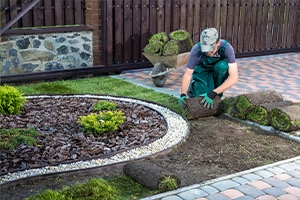
Landscaping is one of the most expensive line items in a budget. This is due to many reasons, including high labor costs and the need for specialized equipment. Most vendor contracts also cover year-round maintenance, such as irrigation, seasonal planting, and tree trimming.
Given the importance of landscaping, board members must allocate sufficient funds to the expense. Here’s how associations can create a realistic HOA landscaping budget.
1. Assess Needs
First, the board must inspect all common areas and take inventory of what needs to be done. Document all green spaces, trees, and irrigation systems that require maintenance.
2. Review Historical Data
Next, the board should analyze the expenditures from the last three years or so. This will help directors identify any trends, such as rising costs or overlooked expenses. From there, the board can make more accurate projections.
3. Include Seasonal Enhancements
Regular maintenance isn’t the only thing to consider. The HOA board should also allocate funds for seasonal maintenance. Flowers, for instance, don’t grow year-round, and tree pruning is necessary before winter to prevent breakage.
4. Factor in Inflation and Contingency
Inflation can significantly impact the landscaping budget. To account for this, the board should add a buffer to accommodate rising labor and material costs. It’s also wise to include a contingency fund for unexpected repairs.
5. Plan for Long-Term Reserves
Lastly, association boards must check their reserve study and slowly build up funds for major repairs or maintenance in the future. This can include tree replacements or large-scale overhauls of irrigation systems.
How to Manage HOA Landscaping Vendor Contracts
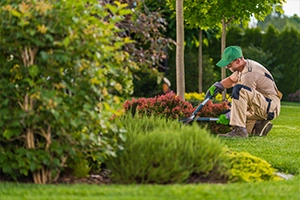
Board members can’t do everything themselves. Landscaping requires a professional’s touch if associations want it done right. Of course, vendor selection must follow a standard process.
1. Research Prospects
To get started, association boards should look for potential landscaping companies. A quick search online will turn up results, but it’s also a good idea to ask for referrals or recommendations from other communities in the area.
The company should be local, as they know which plants thrive and how to care for them, given the area’s climate. It’s also important to ensure that companies have the proper licenses, certifications, and insurance.
2. Obtain RFPs
An RFP helps standardize the information the association needs. This RFP should include the following information:
- Community profile and information
- Detailed scope of work
- Vendor requirements and qualifications
- Budget and payment terms
- Timeline and milestones
- Evaluation criteria
- Submission instructions and deadline
3. Evaluate on a Matrix
Once the board receives the HOA landscaping bids, it’s time to assess and compare them. To do this, the board should create a vendor matrix that evaluates vendors based on cost, experience, quality of work, references, and responsiveness.
While price is certainly a determining factor, it should not be the deciding factor. Cheap services can indicate quality issues. When weighing options, it’s best to consider vendors as a whole.
4. Interview Candidates
After narrowing it down to a few candidates, boards should set up an interview. This will allow the directors to get a better feel of the landscapers and ask pertinent questions. An interview also helps the board evaluate professionalism, character, and work ethic.
5. Negotiate the Contract
Board members should not be afraid to negotiate. Contract terms tend to be flexible, and many vendors offer perks if the board asks about them. Negotiation can help secure the best possible deal for the community.
6. Monitor Performance
The job doesn’t end after signing with an HOA landscape company. Board members should continue to evaluate the vendor’s performance and check if they are meeting all expectations.
How to Save Money on HOA Landscaping
Landscaping can be quite expensive, but there are strategies an association board can adopt to save money. Here’s how to make landscaping most cost-efficient.
- Select Vendors Wisely. It goes without saying that choosing the right vendor can make all the difference. A subpar vendor delivers poor-quality results, wasting the association’s money.
- Use Native Plants. Incorporating drought-resistant or native plants can help reduce water consumption and replacement costs. In Illinois, HOAs can’t prohibit or unreasonably restrict owners from planting native species on private lots according to the Homeowners’ Native Landscaping Act.
- Optimize Irrigation. To conserve water, boards should implement a plan to improve efficiency and fix leaks immediately.
- Enter Multi-Year Contracts. After a vendor has proven it can deliver high-quality results, the board should consider renewing the contract for a multi-year term. This will allow the HOA to lock in rates and avoid annual price increases.
A Worthwhile Effort
Considering the key benefits of HOA landscaping, board members should strive to secure favorable deals with quality contractors. This involves following certain guidelines and steps, as well as performing due diligence when selecting vendors and creating a budget.
First Community Management provides expert HOA, condo, and co-op management services to communities in Chicago. Call us today at (312) 829 8900 or contact us online to learn more!